Generated at: 2026-05-14 15:52:12

Leveraging kintone for DX Promotion at a Long-Established Company

Combined Implementation of kintone and uSonar, Driving Sales Data Utilization

Using LBC as a Common Code Successful System Integration, Increasing Business Card Accumulation Fivefold

SAKURA COLOR PRODUCTS CORP.

Manufacturing and Sales of Art Materials and Stationery

INTERVIEWEE

  • Kengo Okada, Manager, Digital Strategy Section, Marketing Department

Sakura Color Products Corp. (Headquarters: Osaka City; 1,600 employees across the group), known for its "Cray-Pas®" and "Coupy-Pencil®" brands, is a long-standing company with over 100 years of history since its founding in 1921. As a comprehensive stationery manufacturer, it offers a wide range of products, including art supplies, school supplies, various writing instruments, and office supplies in over 100 countries worldwide. The Digital Strategy Section of the Marketing Department introduced both kintone and uSonar as part of their efforts to drive digital transformation in sales and marketing. They report significant progress in operational efficiency and data utilization. We spoke in detail with Kengo Okada, Manager of the Digital Strategy Section, Marketing Department.

  • Challenges Before Implementation

    • Multiple codes existed for the same customer data. Because they could not be linked, the data remained fragmented.
    • Data processing placed a heavy burden on both the sales and marketing departments, hindering effective utilization.
  • Reasons for Implementation

    • Considered as a service capable of unified customer data management as part of an SFA/CRM migration project.
    • Highly valued uSonar for its constant connectivity and real-time updates, rather than providing only spot-based code assignment.
  • Results Achieved

    • Eliminated data duplication within the SFA/CRM, successfully achieving a 40% data compression rate.
    • Reduced data linking time to nearly zero (approximately 15x faster). Increased business card data accumulation by 5x.
    • Promotes the centralized management and accumulation of customer data (eliminating data silos) and facilitates the transition to sales activities such as list creation.

Challenges Before Implementation

Customer data management codes were inconsistent across different systems, making it difficult to integrate and utilize the data effectively.

Sakura Color Products Corp. handles the development, manufacturing, and sales of products not only in school supplies and stationery, such as Cray-Pas® and Coupy-Pencil®, but also in the industrial, medical, and electronics fields, and I believe your client base is expanding. Could you first tell us about the mission of the department you belong to, Mr. Okada?

Okada

The Marketing Department I belong to is responsible for planning and promoting product planning, development, and sales strategies. We have approximately 30 members covering products and markets across Japan. The department is broadly divided into four sections: Product Planning, Promotion, Digital Strategy, and E-commerce. My team, the Digital Strategy Section, consists of four members responsible for corporate website operations, SNS management, public relations, sales activity promotion, and promoting the utilization of sales systems (kintone, product DB, and BI tools).

Your scope of responsibility is quite broad. In particular, it caught my attention that 'promoting the utilization of sales systems' is a mission for the Marketing Department. I assume this refers to SFA/CRM; what kind of challenges were you facing?

Okada

As a premise, our company migrated our SFA/CRM to Cybozu's kintone in July 2022. Our section is responsible for promoting the use of kintone within the sales department. With the previous SFA/CRM, both the sales and marketing teams felt the burden of inputting customer data was too heavy, and it took a significant amount of man-hours to aggregate and analyze data or create lists. When we migrated to kintone, we wanted to resolve these data-related issues as well.

So, resolving these data-related bottlenecks was the key to promoting the utilization of your SFA/CRM.

Okada

Yes. We understood that there were challenges in the prerequisite data organization required to effectively utilize data and achieve results. Specifically, multiple codes existed for the same customer, and they were not linked to one another. Consequently, a unified code was not used for customer data or email distribution, which made data entry and utilization difficult, and the manual workload for analysis was extremely high. Because customer data was not linked, activity reports (daily reports) were also entered under separate codes, causing data to be scattered, and business card management was primarily paper-based, held individually by sales representatives. Furthermore, since customer data was also being newly created through manual entry, we could not standardize naming conventions for addresses, company names, or personal names, leading to inconsistencies that further complicated the issue.

Those are common challenges such as data deduplication, data cleansing, and data integration. Many companies approach us with concerns that low data quality hinders subsequent utilization. What was your state of mind at that time?

Okada

I was at a loss for a time. First, I explored whether we could solve it internally. I attempted to perform deduplication based on various criteria, but I struggled because none of them resulted in a definitive common code.

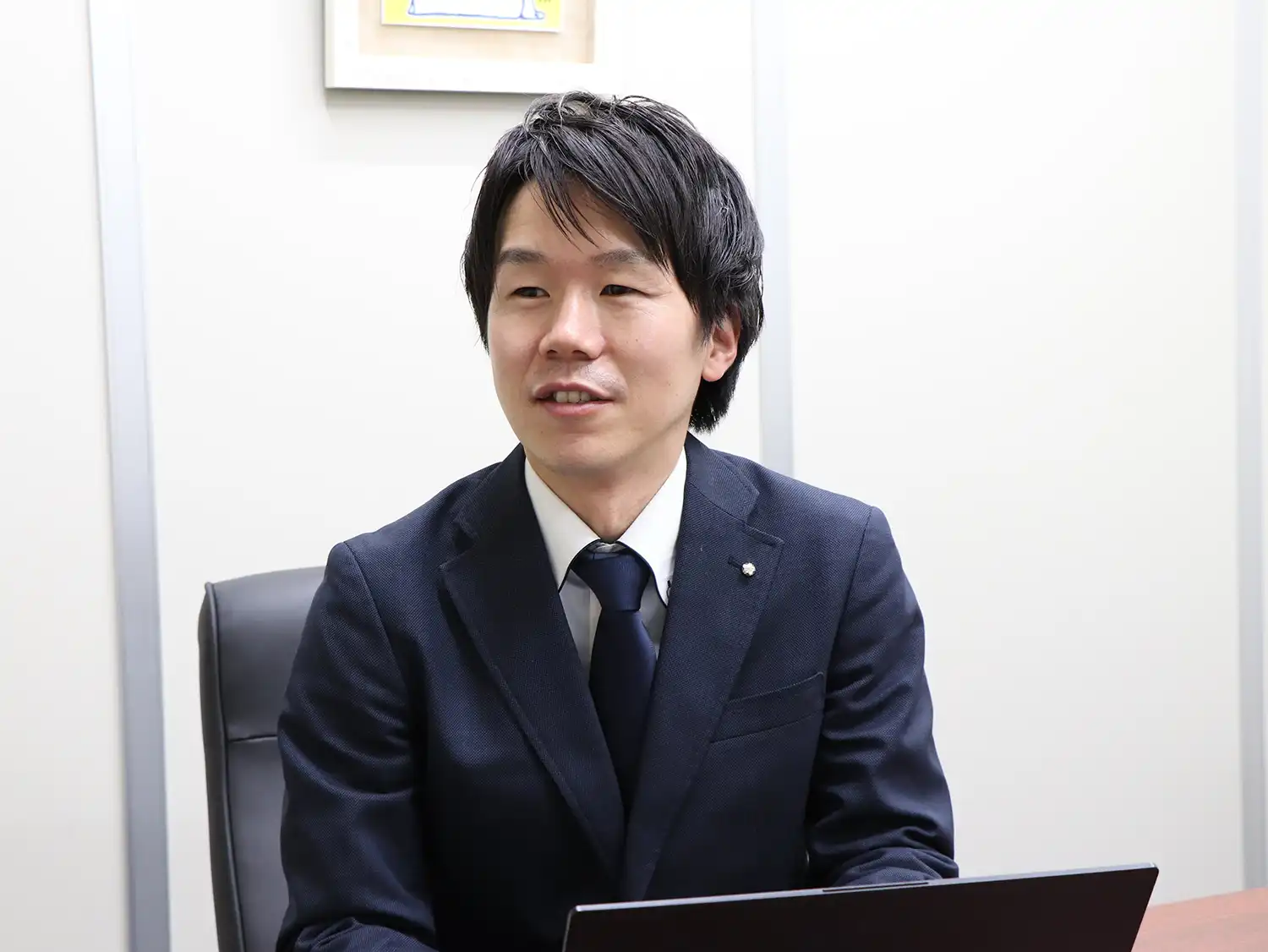
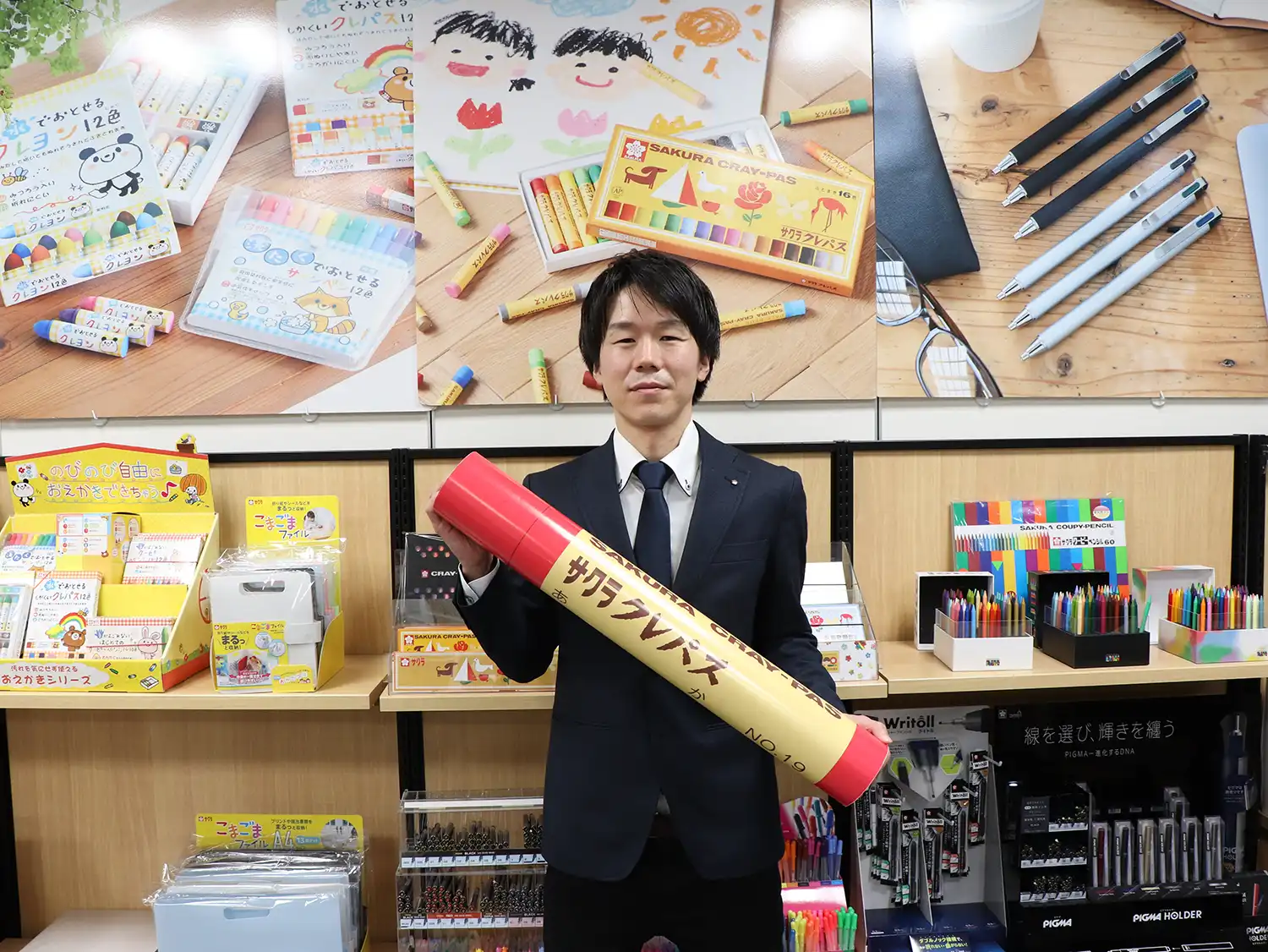
Sakura Craypas_☆IMG_3820_1.JPG

Kengo Okada, Manager, Digital Strategy Section, Marketing Department, Sakura Color Products Corp.

Reasons for Implementation

Spot purchases of master data would not provide a fundamental solution. We sought a service that offered constant connectivity and automatic updates.

How did your search go when you began looking for a service to integrate corporate data that was being managed separately across different systems?

Okada

I was aware that there were services that sell corporate data and provide master data on a one-time basis, as I had researched this in the past. However, I realized that while such services might clean the data temporarily, the root cause remains unaddressed, meaning the same situation would likely recur over time as new customers are registered. While searching for a service that offers a persistent connection, automatically maintains data, and assigns common codes, I discovered the services offered by uSonar.

Thank you for finding us. What was the evaluation process like when you proceeded with the implementation?

Okada

We compared several companies, but we ultimately chose uSonar because it comprehensively organizes companies nationwide at the branch level and includes a wide variety of attribute information. Additionally, since our sales targets include educational institutions such as schools, the extensive database of school-related facilities, including elementary schools, junior high schools, kindergartens, and nursery schools, was also a major attraction. Furthermore, it was important that we could leverage uSonar services, such as the business card and corporate information app mSonar, to drive proactive sales activities, rather than just focusing on the defensive aspect of data maintenance. We considered strengthening our approach by enhancing our email utilization and creating lists of similar companies based on corporate name searches.

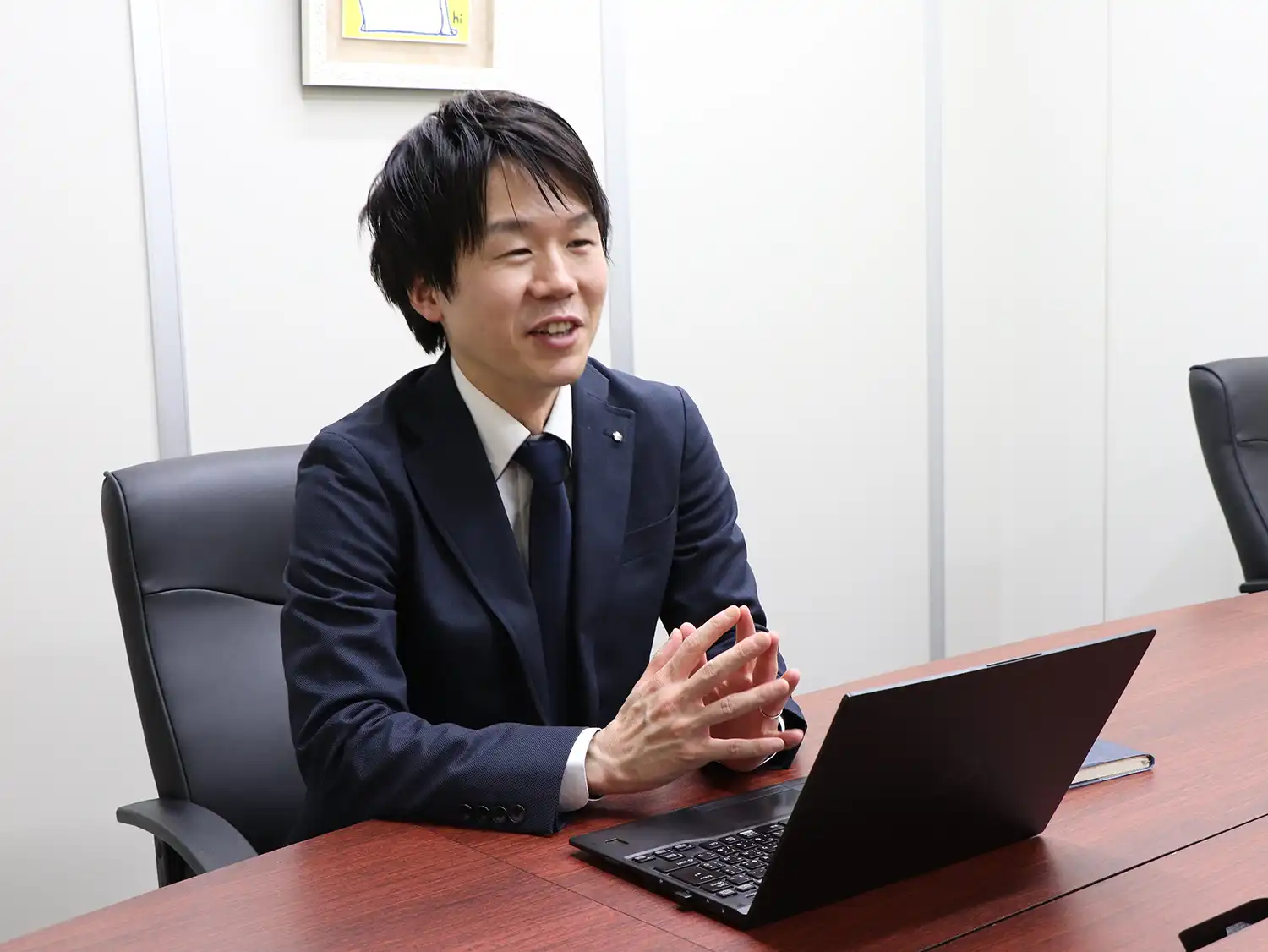
Sakura Craypas_☆IMG_3837_2.JPG

Kengo Okada, Manager, Digital Strategy Section, Marketing Department, Sakura Color Products Corp.

Results Achieved

mSonar Integration with kintone Increases Email Distribution Lists from Business Card Data by Fivefold

Did the implementation of uSonar services succeed in unifying your fragmented customer data?

Okada

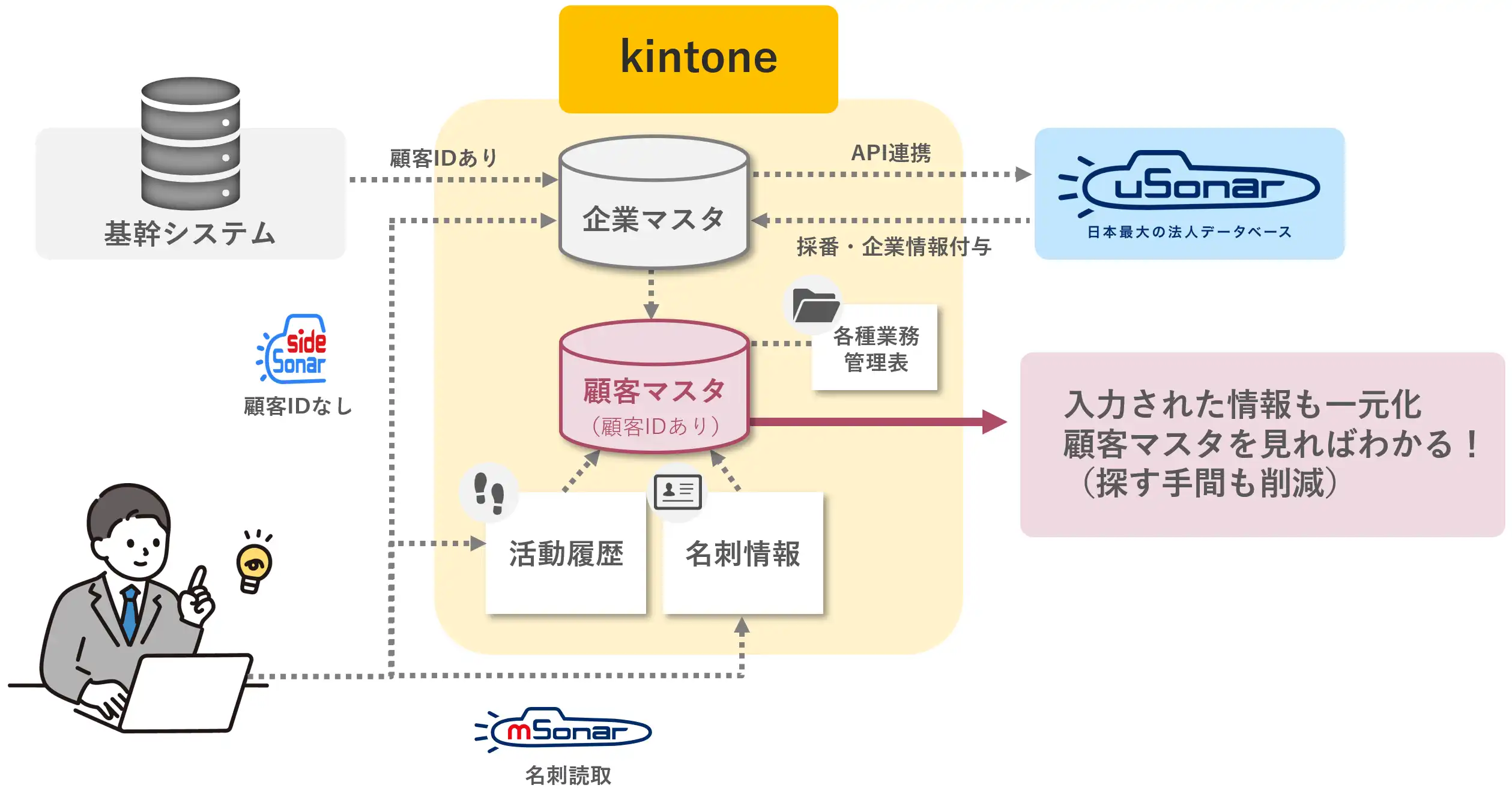
Yes, it was a success. uSonar possesses a corporate database that comprehensively covers companies nationwide down to the branch level and manages them using common codes (LBC codes). We then matched our customer data by assigning these LBC codes. Even if the company names or addresses in our customer data had inconsistent formatting, the same LBC code was assigned to the same customer. This allowed us to identify duplicate corporate data within the system and inconsistencies caused by variations in input, enabling the integration and unification of our corporate data. Although I cannot disclose the exact number of customers, after cleaning the duplicate data, we were able to reduce the total data volume by approximately 40%. We also reduced the number of facility records, which previously numbered over 100,000, by more than half. This data compression has reduced maintenance and utilization costs, establishing the foundation for effective corporate data utilization.

While it depends on the industry and scale, every company experiences data duplication and inconsistent formatting after using SFA/CRM systems for several years. uSonar has accumulated a vast knowledge base capable of correctly converting past company names, address changes, and abbreviations. We are pleased that we could assist you in normalizing your data regardless of the original format. How have you proceeded with the corporate data utilization you originally intended to implement?

Okada

We built a corporate master, customer master, and business card management application within kintone. By using the LBC code as a common identifier for all of them, they began to function smoothly. Previously, the task of linking corporate data took about 3 to 4 hours per session (or 1 to 2 days in difficult cases), but now, including list creation, it is completed in a few minutes, or at most, within 30 minutes.

Okada

Beyond managing existing customer data, using sideSonar to register data for new prospects allows us to store them in our SFA/CRM with LBC codes attached. This is significant because it enables us to link data before and after they become customers. Previously, before registration in the core sales system, each sales representative would manually create customer entries for daily reports. Consequently, we were unable to link that information with the data after registration in the core sales system.

How is the accumulation and utilization of business card data going?

Okada

With the introduction of mSonar, business card information captured via smartphone and converted into digital data is immediately linked to accurate corporate information, which has advanced our accumulation and utilization efforts. We previously managed email distribution lists for business partners and others using Excel. Naturally, maintenance such as adding business card information was difficult, so we were limited to fewer than 1,000 entries. However, since integrating with mSonar, that number has increased by about 5 times. The fact that sales representatives no longer have to perform manual entry, as they did with Excel management, has been a major benefit.

sakura_fig202503.webp

Future Outlook

The Implementation Project Was Completed Almost Entirely by One Person. Dedicated After-Sales Support Was Also Highly Valued.

Looking back on the implementation and subsequent utilization, are there any qualitative results or comments you would like to share?

Okada

Regarding the results, looking back, this kintone and uSonar implementation project was essentially completed by myself, with only partial cooperation from our internal systems department. I was grateful for the low barrier to entry for system implementation and integration. I was also impressed by the attentive sales and implementation support from uSonar, as well as their prompt responses to our inquiries.

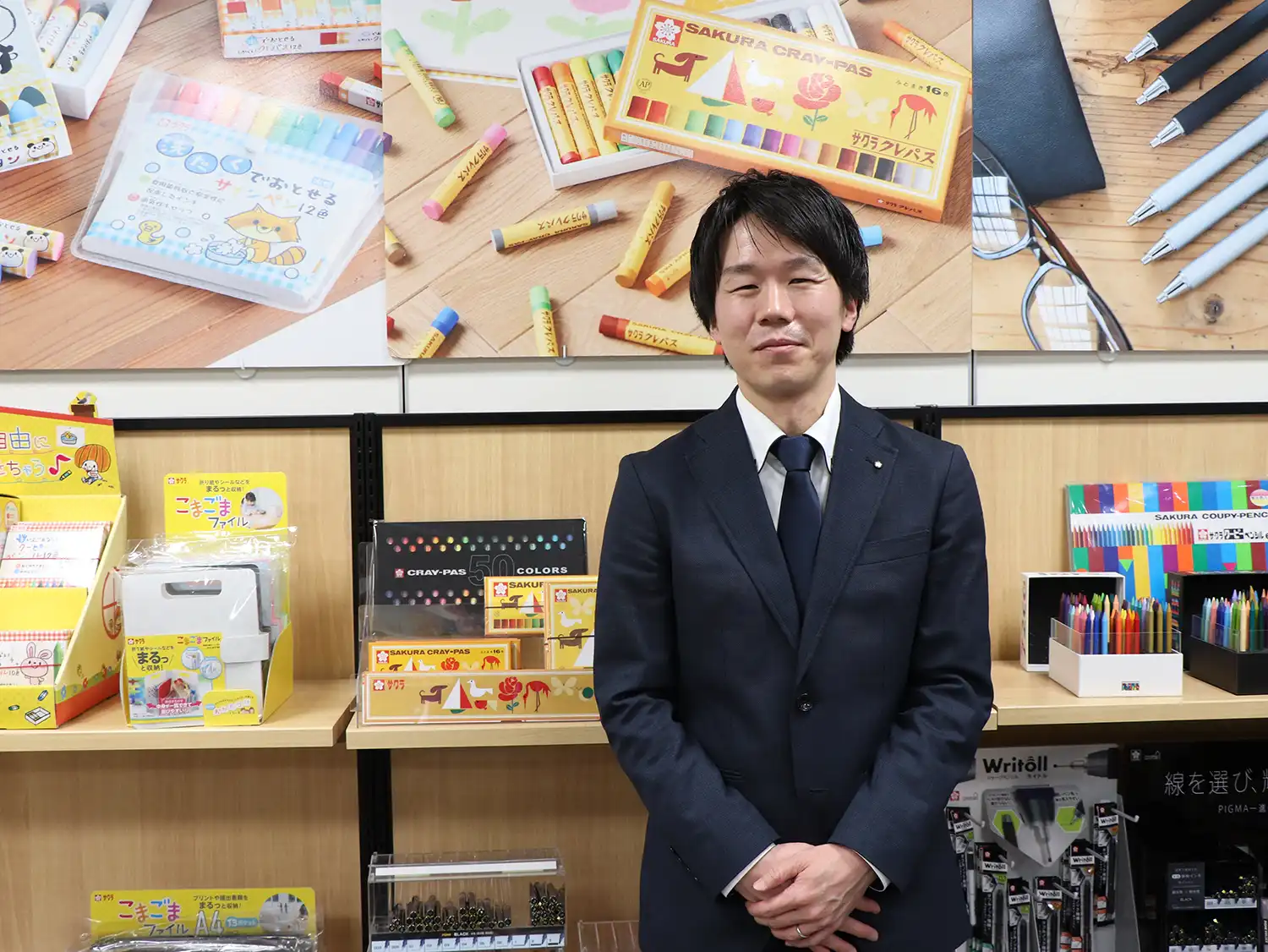
Sakura Craypas_☆IMG_3786_last.JPG

Kengo Okada, Manager, Digital Strategy Section, Marketing Department, SAKURA COLOR PRODUCTS CORP.

Thank you for valuing not only the quality and comprehensiveness of our corporate data but also the human element. Finally, could you tell us about the internal adoption process and any future challenges or prospects you would like to address?

Okada

Thanks to your support, the utilization of kintone and uSonar (including mSonar and sideSonar) is progressing smoothly. We have developed approximately 200 applications, ranging from customer master data and business card management to sales activity logs, calendar management, and product master data. Currently, about 120 members of our sales and marketing departments use these as their daily information infrastructure tools. To begin the implementation, we held briefing sessions for every sales department by section to promote understanding, and we also conducted follow-up sessions to drive the transition from initial implementation to expanded usage. While utilization is currently progressing, I feel there is still some disparity in proficiency levels among individual users. Moving forward, I would like to standardize and elevate the level of utilization, while encouraging more proactive use to improve our overall sales and marketing capabilities.

I believe many managers at traditional large enterprises struggle with the difficulties of advancing DX. In that regard, your story has been extremely insightful. We look forward to continuing our support.

*Our service and feature names are current as of the time of the interview.

Consult with uSonar

You may stop receiving information regarding services and events at any time. Please review our Privacy Statement for details on our policies.

Other Case Studies

For Urgent Inquiries, Please Call Us03-5388-7000Reception Hours: 10:00 AM - 5:00 PM (Closed on Weekends and Holidays)

The Definitive Solution for Sales DX Through Data Utilization

Service Brochure

uSonar in 5 Minutes

Understand uSonar in 5 Minutes

Download Brochure