





- Corporate Data
[Video Explanation] How to Leverage One of Japan's Largest Corporate Information Databases for Sales

Use Cases by Objective
New Approach Lists

Group Strategy

Digital
Marketing

Client Information Registration

Data Cleansing
Corporate Attribute Analysis

SFA/MA Activation

Business Card Data Integration

Credit and Client Screening

Use Cases by Department
Sales Department

Inside Sales
Department

Marketing &
Corporate Planning Department

IT Department

Administrative Department

Use Cases by Tool
Meeting Sonar
Last Updated: April 22, 2024

Building a corporate information database offers various organizational benefits.
Beyond serving as an information source for analyzing market share and understanding trends, it is useful for benchmarking against competitors and refining your company's service positioning.
This article explains the importance of a corporate information database in B2B business, its effective use in corporate activities, and how to build one.
Recommended Articles
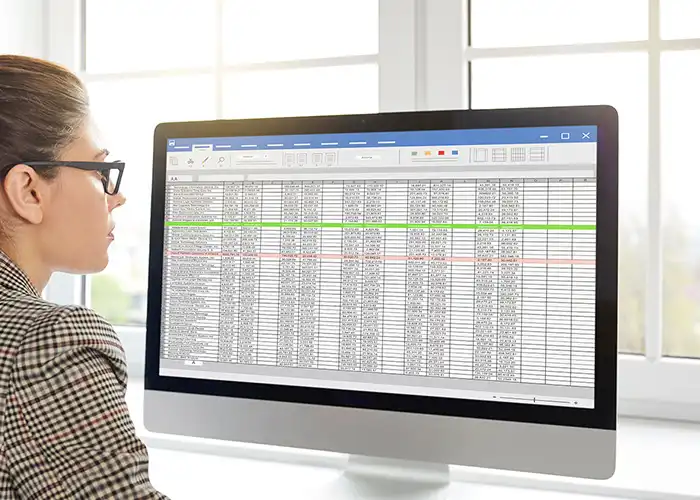
Maintaining a corporate information database provides significant benefits across various departments for B2B companies.
Primarily, corporate information is utilized within sales organizations.
When developing new business, identifying target markets and segmenting customers allows for the customization of sales strategies based on specific industry or regional characteristics, thereby driving sales activities more efficiently.
Regarding support for existing customers, integrating this data with CRM systems ensures that information—not just for individual contacts but for the entire client organization—remains up-to-date. This enables teams to anticipate a client's focus areas before being told, facilitating effective account planning.
Furthermore, utilizing a corporate information database as a marketing database strengthens the alignment between sales and marketing activities.
By providing messaging tailored to the specific needs and interests of target companies, organizations can acquire high-quality leads and increase purchase intent. Beyond lead generation, leveraging corporate information for customer retention also makes it possible to uncover new needs.
Finally, a corporate information database serves as a valuable source of information for supporting management decisions. Analyzing data such as corporate performance, growth potential, and market share helps inform strategic decision-making.
The following use cases are considered highly beneficial for B2B companies looking to streamline their operations using a corporate information database.
Analyze information such as industry, region, and company size to perform segmentation.
By understanding the number of companies and their characteristics within each segment, you can assess the benefits and potential needs of developing those segments, allowing you to refine your messaging.
This streamlines the process of identifying promising leads for the sales team.
Data integration accelerates the process of updating customer demographic information and analyzing it alongside purchase history to better understand customer trends and needs. This enables sales activities that are aligned with the customer's situation, allowing for personalized proposals for individual clients.
By collecting information on "interest in competitors" or gathering data on competitor performance within the corporate information database, you can utilize this for benchmarking and identifying your competitive advantage. Creating a list of companies likely being approached by competitors allows you to target them directly, facilitating both labor-saving customer acquisition and effective competitive countermeasures.
Identifying target markets through segmentation is also used to narrow down marketing targets. Information such as user scale by area, industry, department, and job title can be utilized for targeting in offline direct mail campaigns and online advertising.
By identifying potential partner companies and gaining detailed insights, you can clearly understand the benefits for the other party. By aligning these with your own goals—such as overcoming weaknesses or expanding strengths—it becomes easier to build cooperative relationships that pursue mutual profit.
To build a corporate information database, it is necessary to establish a system for comprehensive and continuous data collection and updates through the following steps.
First, clearly define the purpose of creating the corporate information database.
It is important to quantitatively set what information to collect, which departments will use it, for what purpose, and what results are expected.
Decide what information should be included in the corporate information database.
Generally, this includes company name, address, contact information, industry, size, revenue, and number of employees. You can also collect information relevant to specific industries or markets.
Collect data from various sources.
Useful sources include corporate websites, industry reports, announcements from industry associations, information held and published by government agencies, and posts on review sites.
To ensure accuracy, it is important to refer to multiple sources and repeatedly verify the reliability of the information.
Organize the collected data and structure it into the database in an appropriate format.
This is typically achieved by implementing a database management system, creating data fields, and inputting information for each company into the corresponding fields.
Depending on the scale of the business, tools like Excel may also be used to organize the data.
Because corporate information is constantly changing, regular updates and management are necessary to keep the database current. When information such as changes or additions becomes available, update the database to reflect the latest information.
Corporate information requires confidentiality and privacy protection.
It is necessary to implement appropriate security measures to access the database and build functions to comply with legal regulations regarding the handling of personal and sensitive data.
Building a corporate information database can facilitate the communication within and between organizations necessary to grow your business.
While data related to companies can be collected from various places, collecting it all through self-directed efforts is a very labor-intensive task.
uSonar, provided by our company, operates multiple databases in parallel to collect various data sources daily, continuously updating highly accurate, integrated, and enriched corporate data.
By serving as a hub, uSonar provides comprehensive and diverse information about companies, enabling efficient customer understanding within sales organizations and more effective communication both internally and externally.
Author

uSonar Editorial Department
MX Group Editor-in-Chief
We are the uSonar Editorial Department.
We provide information on data utilization and digital technologies useful for companies primarily engaged in B2B operations to consider the future of their business practices.
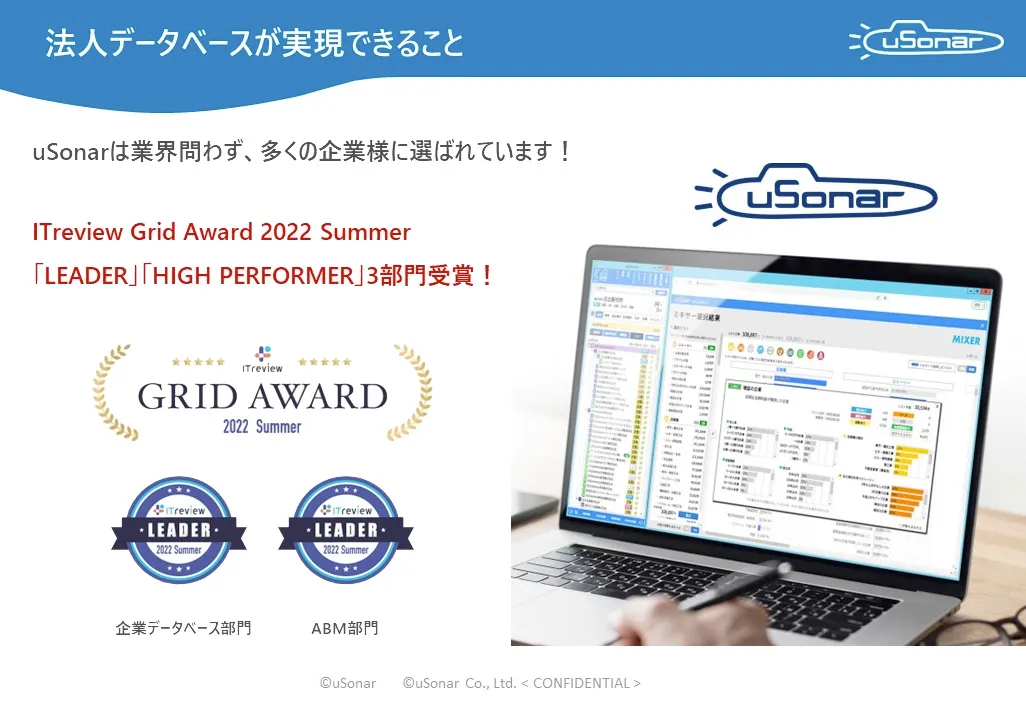
uSonar is utilized by various companies
across a wide range of industries and sectors.
ITreview Grid Award 2026 Summer
Leader in 6 Categories

With uSonar,
we will guide your company toward solving its challenges!
Case Studies and Sample Reports
Download