





- Data Utilization
What Is Data Orchestration: Centralized Data Utilization

Use Cases by Objective
New Approach Lists
Group Strategy

Digital
Marketing

Client Information Registration

Data Cleansing
Corporate Attribute Analysis

SFA/MA Activation

Business Card Data Integration

Credit and Client Screening

Use Cases by Department
Sales Department

Inside Sales
Department

Marketing &
Corporate Planning Department

IT Department

Administrative Department

Use Cases by Tool
Meeting Sonar
Last Updated: June 24, 2025
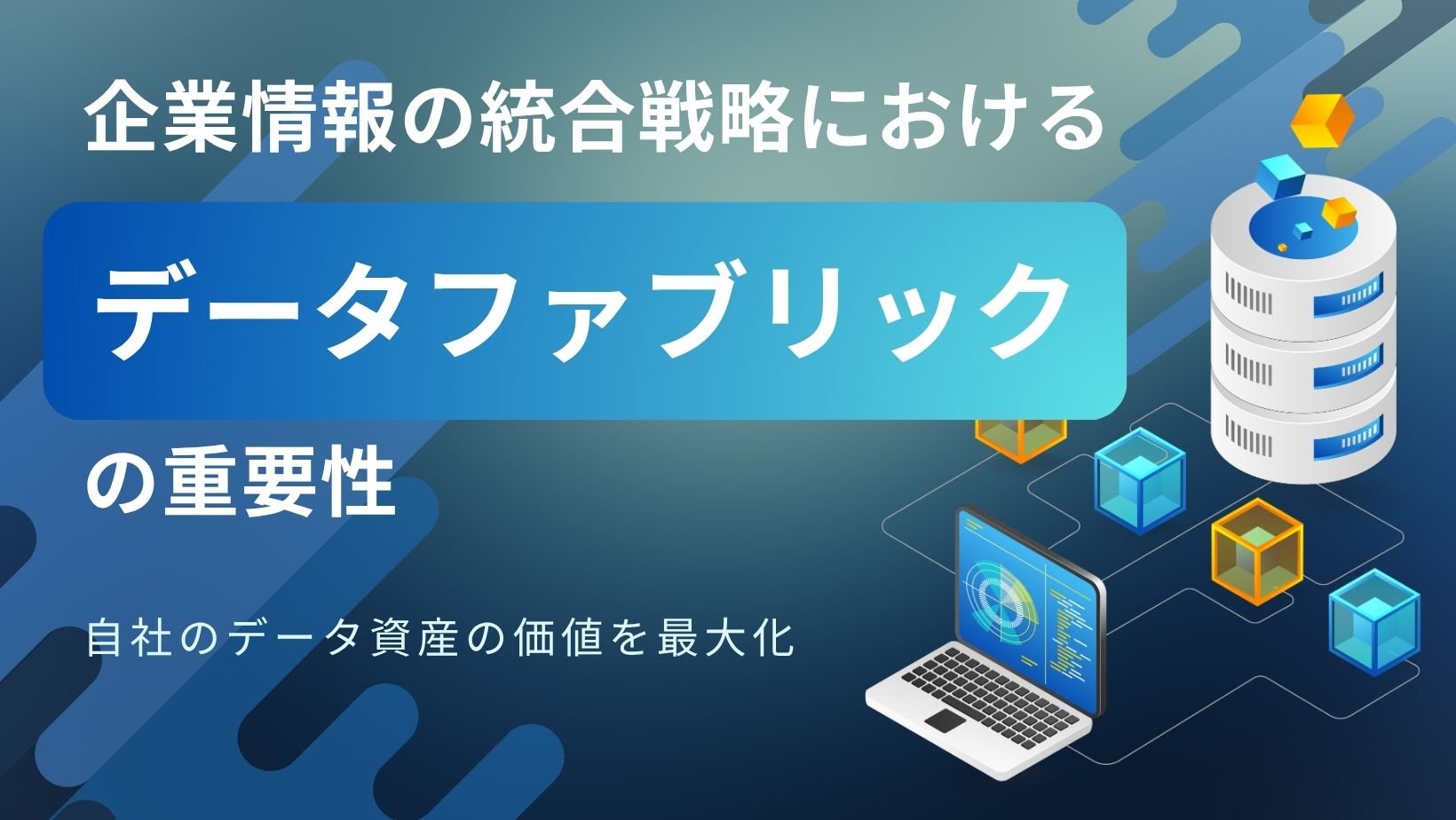
In recent years, the importance of data in corporate activities has grown significantly, and how effectively a company utilizes data as a management resource now determines its competitive advantage. However, many companies face the challenge of "data silos," where disparate systems across departments lead to fragmented data within the organization.
To address this challenge, "Data Fabric" has emerged as a noteworthy and innovative approach. This article explains the business value of Data Fabric, key implementation points, and its impact on corporate culture from a B2B perspective.
Recommended Articles
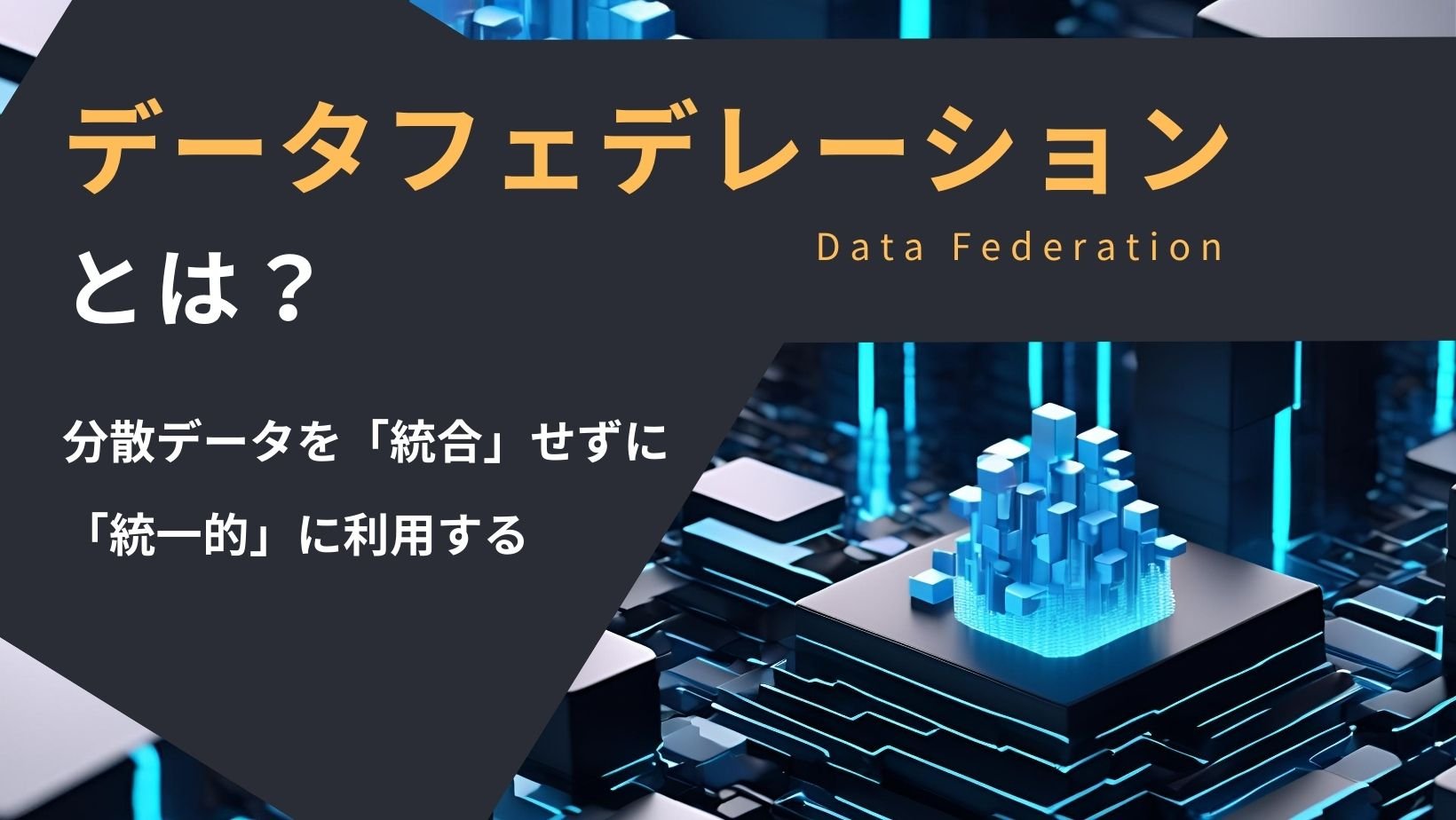
A data fabric is an architecture that virtually integrates multiple data sources scattered inside and outside an enterprise to provide a unified data view. Rather than physically aggregating data as in traditional methods, it enables seamless access and analysis while data remains distributed. It is particularly effective for data integration across different platforms, such as cloud, on-premises, and legacy environments. As a common infrastructure for enterprise data utilization, a data fabric contributes not only to operational efficiency within a single department but also to the construction of a cross-departmental data utilization environment.
The key feature of this technology is that it enables data integration without requiring significant changes to existing IT infrastructure. As a result, it allows for the promotion of digital transformation with a high return on investment.
The implementation of a data fabric promotes data integration across departments such as sales, marketing, customer success, and finance. By leveraging API integration and data virtualization technology, data silos are eliminated, allowing for cross-departmental data access and facilitating smoother information sharing between departments.
Furthermore, by establishing an enterprise-wide data governance framework, the reliability and consistency of data are ensured. By effectively utilizing both structured and unstructured data through tools such as data lakes and catalogs, it is possible to establish a foundation for decision-making that transcends departmental boundaries.
The introduction of a data fabric goes beyond mere technological innovation. It also influences the decision-making culture and work styles of the entire organization. By standardizing data-driven judgments, it enables organizational management backed by transparency and logic, rather than relying on individual experience or intuition.
With a unified data view, executives and managers can make strategic decisions with a comprehensive view of the entire enterprise, rather than relying on fragmented information. Additionally, rapid responses based on real-time data allow for the establishment of an organizational structure that can immediately adapt to market changes.
In addition, the proliferation of no-code/low-code tools and self-service BI enables non-IT department personnel to easily access the data they need. This promotes the so-called democratization of data, bringing about the effect of raising the quality of decision-making across the entire company.
In practice, it facilitates cross-departmental collaboration using data as a common language and aligns well with quantitative management, such as business goals and KPIs, thereby contributing to the strengthening of strategic execution capabilities.
Data fabric is effective for both intra-departmental utilization and cross-departmental collaboration.
For example, the following are some use cases for data fabric within individual departments.
Sales Department
Marketing Department
Customer Success Department
Finance Department
For example, the following are some use cases for leveraging a data fabric to facilitate collaboration between departments.
Example 1: Sales × Marketing
Example 2: Marketing × Customer Success
Example 3: Customer Success × Finance
Furthermore, a data fabric possesses a structure that is highly compatible as a foundation for AI and machine learning. For instance, advanced applications such as predictive analytics, customer personalization, and operational automation are expected.
With a scalable and flexible design, it offers the extensibility to withstand future data expansion and the addition of new data sources, contributing to the acquisition of a sustainable competitive advantage.
When implementing a data fabric, the following challenges are anticipated.
In addition to these, from the perspectives of governance and security, it is necessary to simultaneously advance measures such as access control, encryption, and compliance with GDPR and domestic personal information protection laws.
Data fabric is a key technology that enables B2B companies to overcome the barriers of data integration and utilization, ultimately achieving truly data-driven management. While implementation requires a phased approach, the benefits are substantial when supported by proper design and internal engagement.
In an era where data is considered a core asset, implementing a data fabric will serve as the foundation for future-oriented management.
For an organization's "data assets" to be effective, it is essential that "accurate information is connected in the correct format" as a prerequisite.
Business card information collected in the field, activity history recorded in SFA, and lead information via the web... If these data points exist in silos, an integration platform cannot reach its full potential.
uSonar supports mechanisms for "organizing, connecting, and utilizing" corporate data.
Why not start by reviewing the data your company currently possesses?
▶︎ Learn More About uSonar Services
▶︎ For Consultations and Inquiries, Click Here
Author

uSonar Editorial Department
MX Group, Editor-in-Chief
We are the uSonar Editorial Department.
We provide information on data utilization and digital technologies useful for considering future business operations, primarily for companies engaged in B2B business.
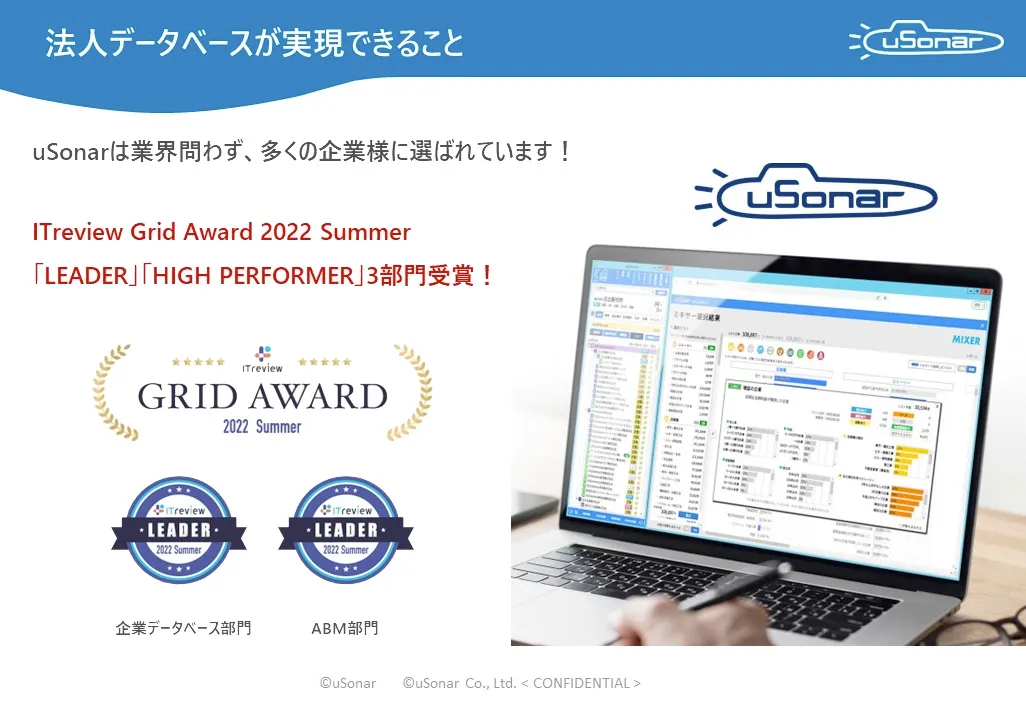
uSonar is utilized by various companies
across a wide range of industries and sectors.
ITreview Grid Award 2026 Summer
Leader in 6 Categories
With uSonar,
we can help solve your company's challenges!
Case Studies and Sample Reports
Available for Download