






- CRM/SFA/MA
- Sales Strategy
- Customer Management & Analysis
[Seminar Report]
Three kintone × uSonar Users Take the Stage
Practical Case Studies on Operational Efficiency and Sales Transformation Revealed!
Use Cases by Objective
New Approach Lists
Group Strategy

Digital
Marketing

Client Information Registration

Data Cleansing
Corporate Attribute Analysis

SFA/MA Activation

Business Card Data Integration

Credit and Client Screening

Use Cases by Department
Sales Department

Inside Sales
Department

Marketing and
Corporate Planning Department

Information Systems Department

Administrative Department

Use Cases by Tool
Meeting Sonar
Last Updated: August 4, 2025
Hello. This is Watanabe from the uSonar Marketing Team!
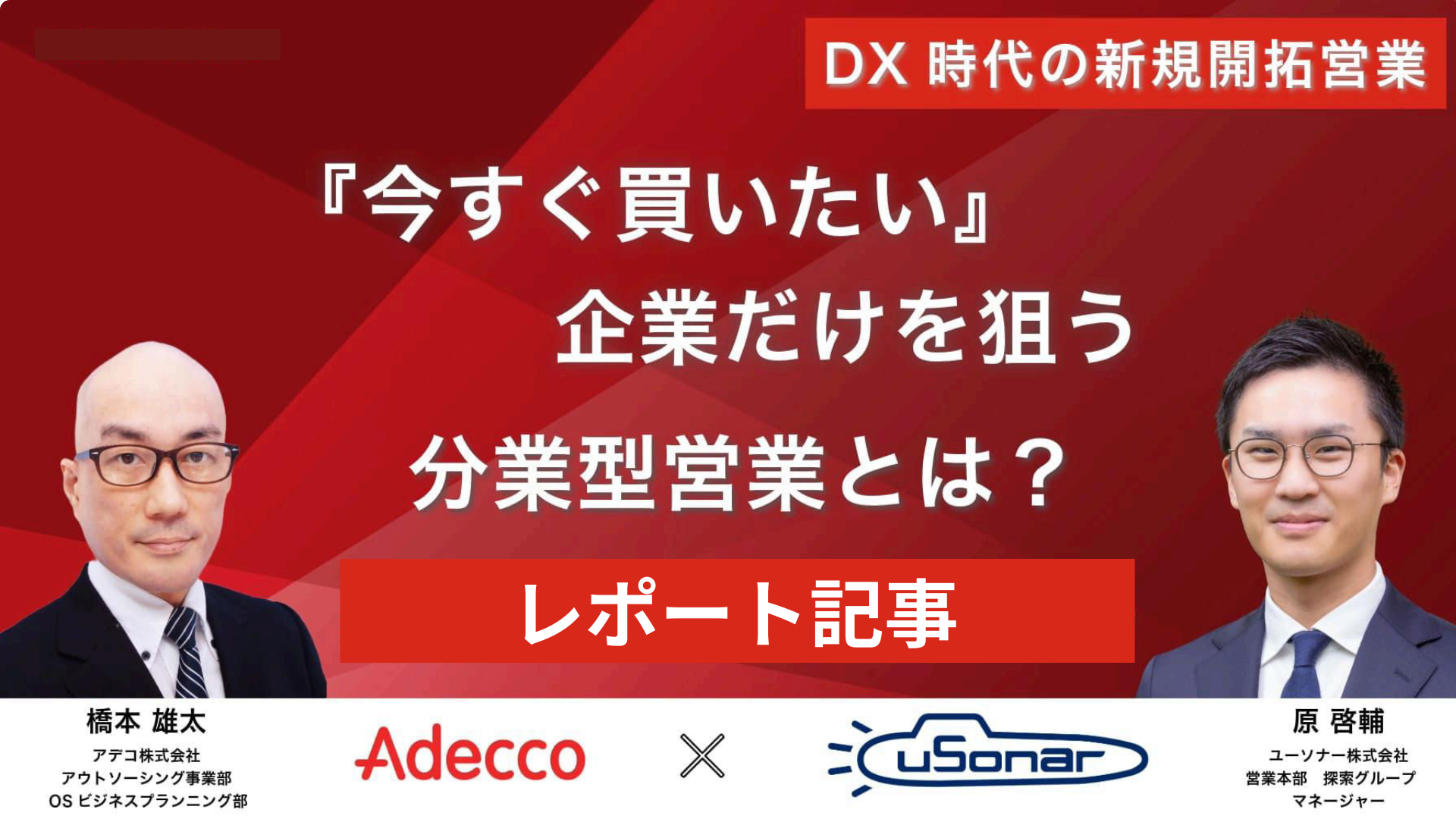
Today, we are bringing you a report on the joint seminar held by Adecco and uSonar on April 10, 2025.
In the first half, Mr. Hashimoto from Adecco, and in the second half, Mr. Hara from uSonar took the stage to share their insights on the latest approaches to new business development for companies.
Recommended Articles
[Seminar Report]
Three kintone × uSonar Users Take the Stage
Practical Case Studies on Operational Efficiency and Sales Transformation Revealed!
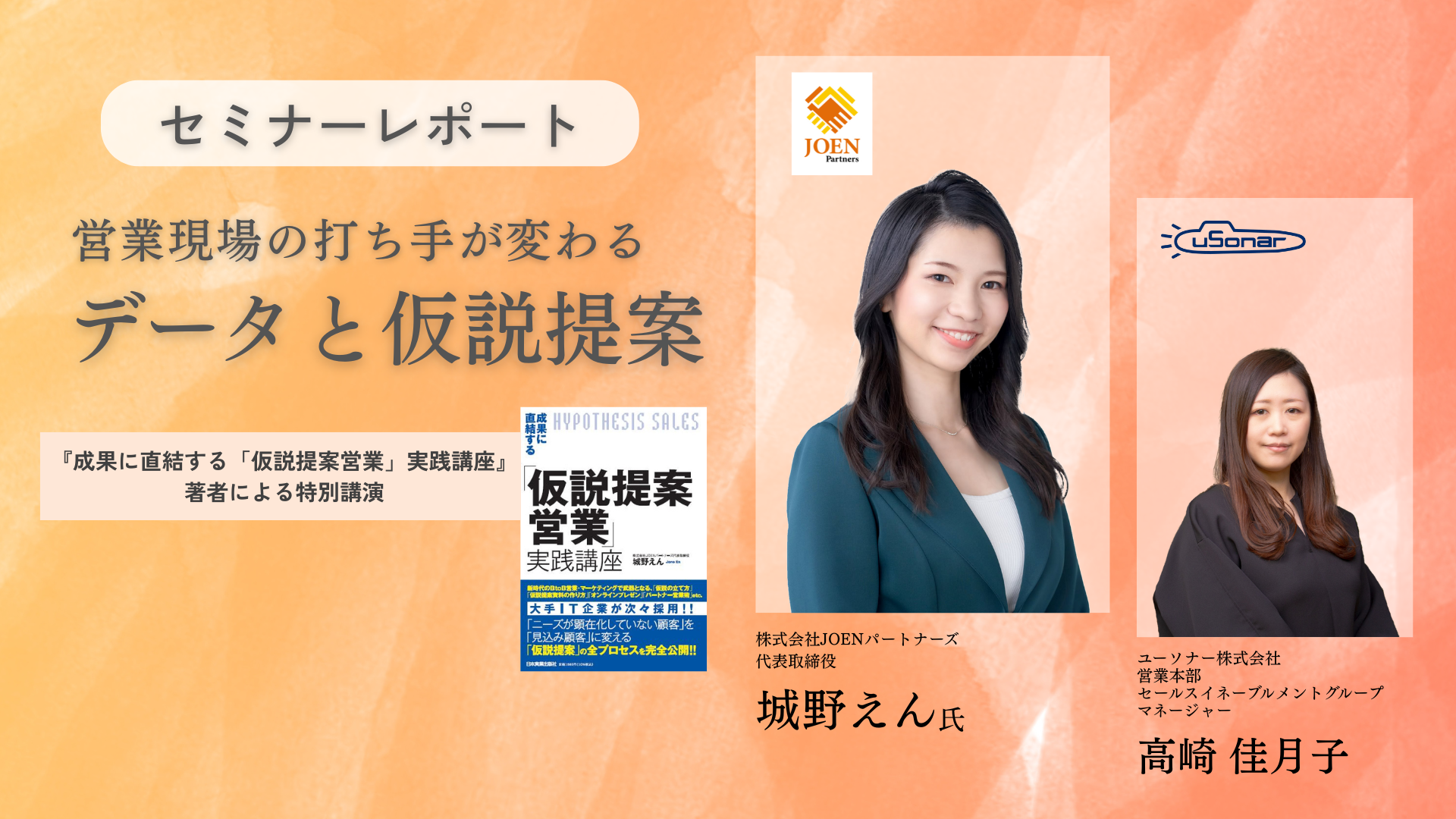
Featuring the Author of "Hypothesis-Based Sales Proposal"!
Seminar Report: Data and Hypothesis-Based Proposals That Transform Sales Operations

Yuta Hashimoto
Adecco Ltd.
Outsourcing Division, OS Sales Planning Department, Planning Section
After serving as a supervisor in the field of outsourcing for over 10 years and working as an operations consultant in the telecommunications industry,
he has been engaged in a producer role responsible for solution proposals in the outsourcing business since 2018.
Following his tenure as a sales manager, he assumed his current position in 2024.
About Adecco Ltd.
Adecco Ltd. is the Japanese subsidiary of the Adecco Group, a comprehensive human resources service company headquartered in Switzerland that operates in over 60 countries and regions. Through consultation, the company supports career development for all workers while providing solutions that optimize a wide range of corporate operations, including temporary staffing, recruitment, and outsourcing.
https://www.adecco.co.jp/client

Keisuke Hara
uSonar Co., Ltd.
Sales Division, Prospecting Group Manager
After joining uSonar Co., Ltd., he was assigned to the department responsible for product implementation and onboarding. He later transferred to the corporate sales department.
He specializes in supporting data utilization for major companies, particularly in the human resources and telecommunications industries,
and provides data utilization advice to many clients on a daily basis.
Currently, he is enrolled in a graduate school for working professionals to earn an MBA, seeking insights for continuous team and corporate growth.
Japan's working-age population is steadily declining year by year. The traditional mindset of simply hiring a replacement whenever someone leaves is no longer viable.
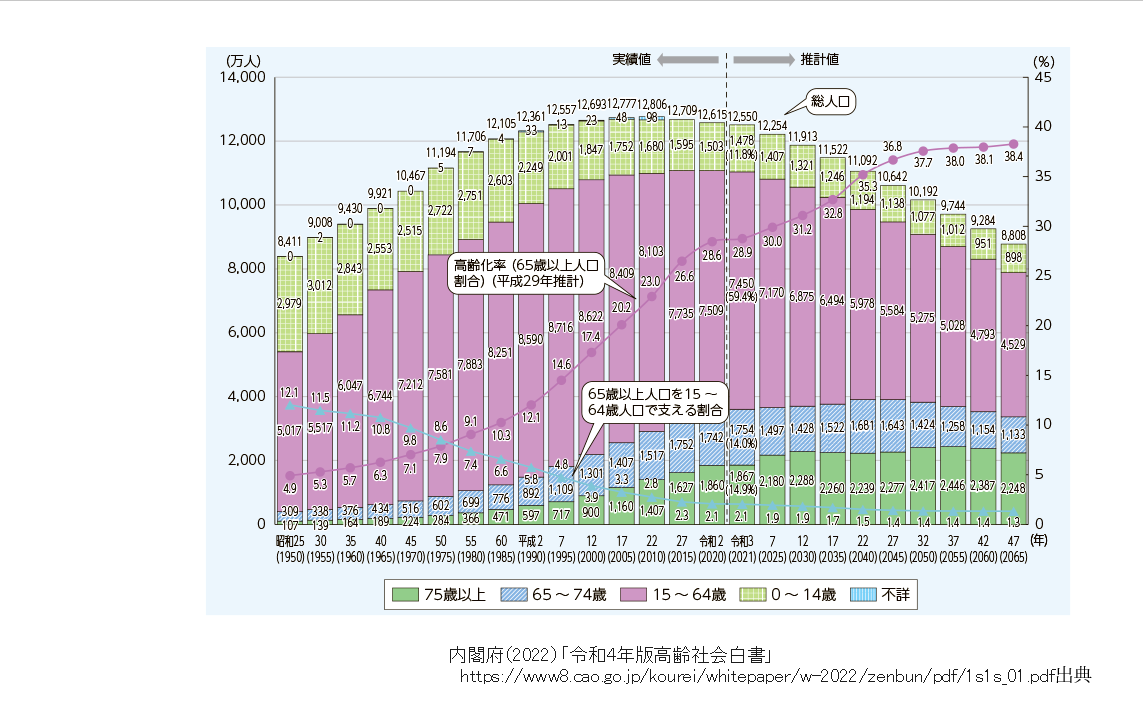
Given this trend, there is a growing movement to enhance the value of each individual employee—the building blocks of an organization—to boost corporate competitiveness. This strategy, which aims to improve the quality of work by having each employee leverage their expertise and enhance their skills, is referred to as a division-of-labor strategy. Mr. Hashimoto also noted that interest in "Human Capital Management and Talent Strengthening" has been increasing in recent years.
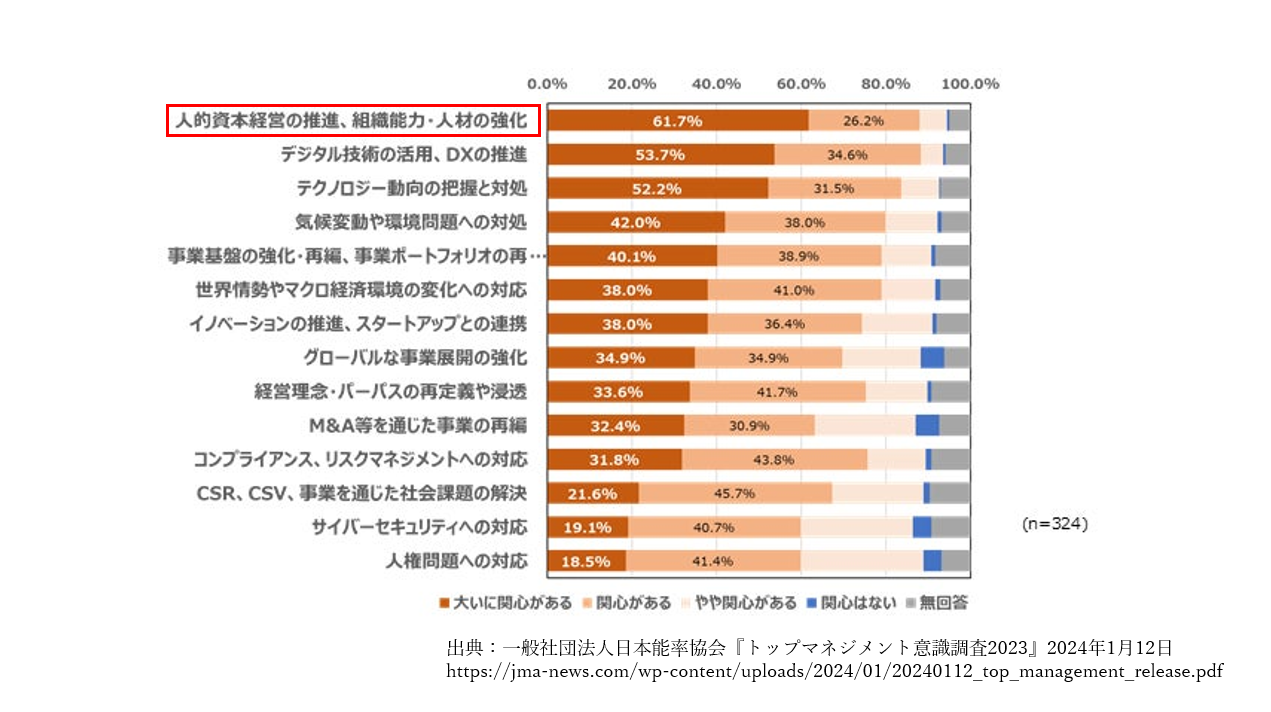
Human Capital Management is a management approach that views talent as "capital" and aims to maximize its value to improve long-term corporate value. It is based on the concept of treating employees' knowledge and abilities as "investment targets" and maintaining corporate competitiveness by creating mechanisms that allow for long-term growth within the organization. In other words, a division-of-labor strategy, where each employee enhances their expertise, is prioritized to realize Human Capital Management.
However, what perspectives are necessary to actually develop talent within an organization over the long term?
Mr. Hashimoto cited the "Realization of a Dynamic Portfolio" as a key factor in achieving sustainable corporate growth.
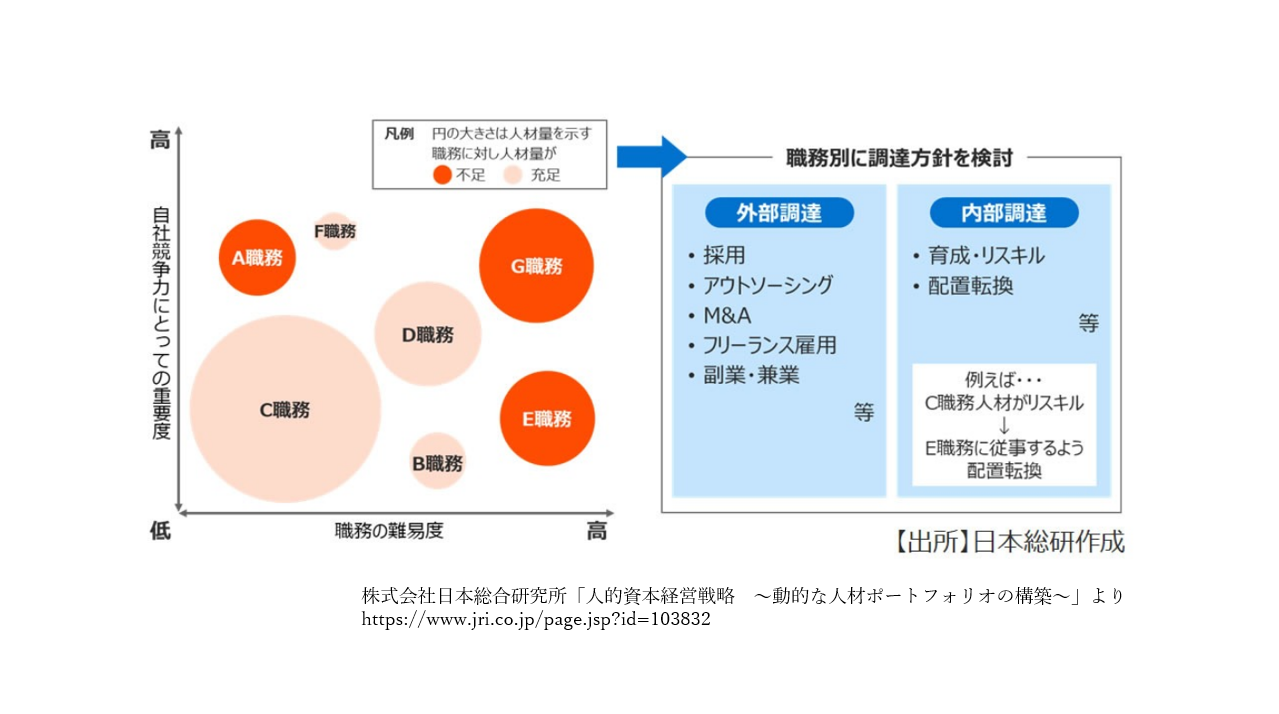
A talent portfolio is a human resource management method that classifies human capital within an organization based on talent types and career aspirations, enabling the analysis and visualization of that data. This includes analyzing not only past and present needs but also the types of talent that will be required in the future. A "dynamic" talent portfolio involves actively managing the talent portfolio in alignment with changes in the business environment and corporate strategy, and optimizing recruitment, talent placement, and talent development accordingly. In a constantly changing environment, it is difficult to source all necessary personnel solely from within the company. Therefore, Mr. Hashimoto stated that it is essential to maintain a broad range of HR systems, organizational structures, wage settings, and corporate branding to enable the procurement of external personnel as needed.
To achieve this, the following perspectives are necessary:
While we have discussed the organization as a whole, we will now focus specifically on the sales organization.
The principle that a division of labor allows for flexible adaptation to change and enables personnel to deepen their expertise applies equally to sales organizations.
Mr. Hashimoto will continue by discussing the current state of utilizing external talent in sales departments, specifically regarding sales outsourcing.
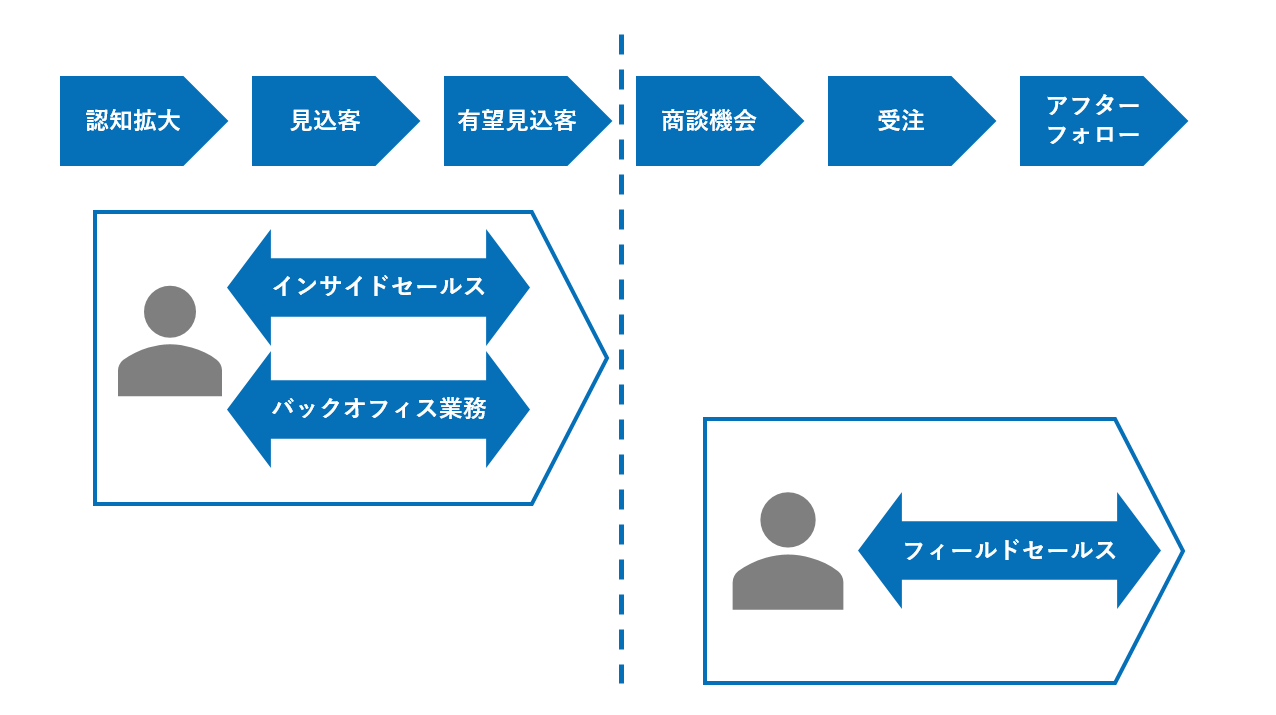
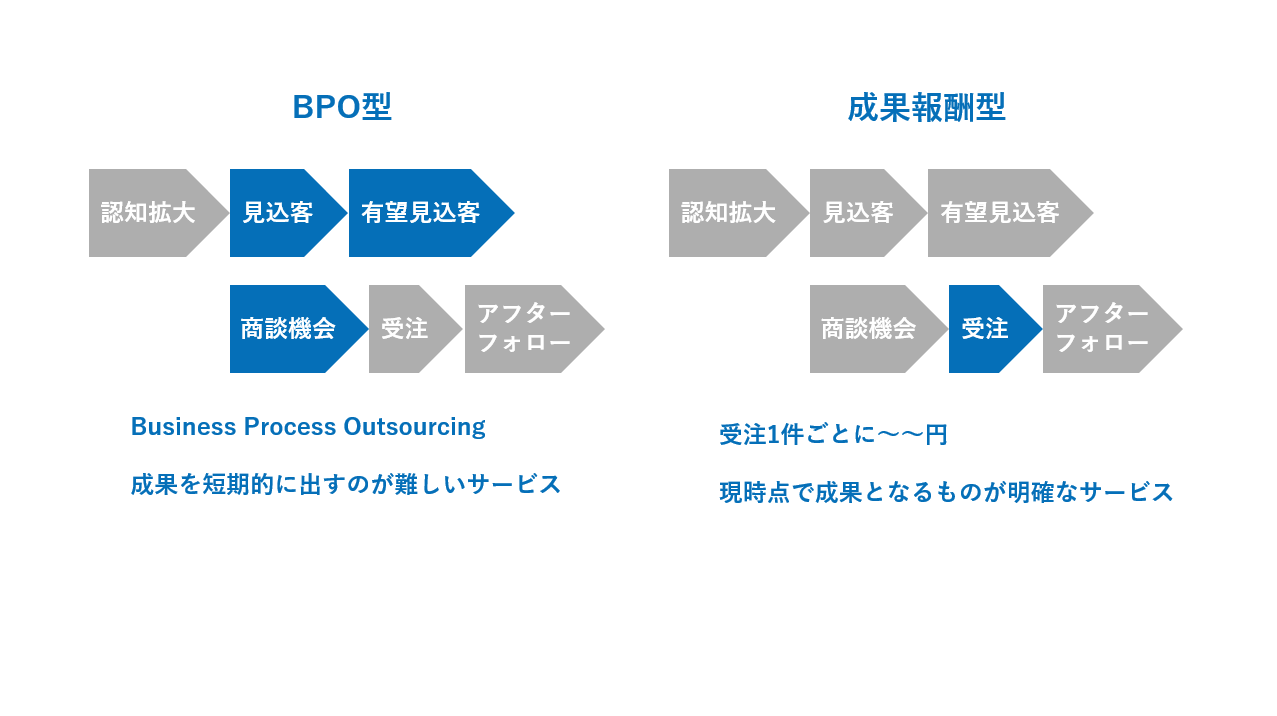
Mr. Hashimoto stated that the market size for sales outsourcing is growing due to the following 3 reasons, and demand is expected to continue to rise in the future.
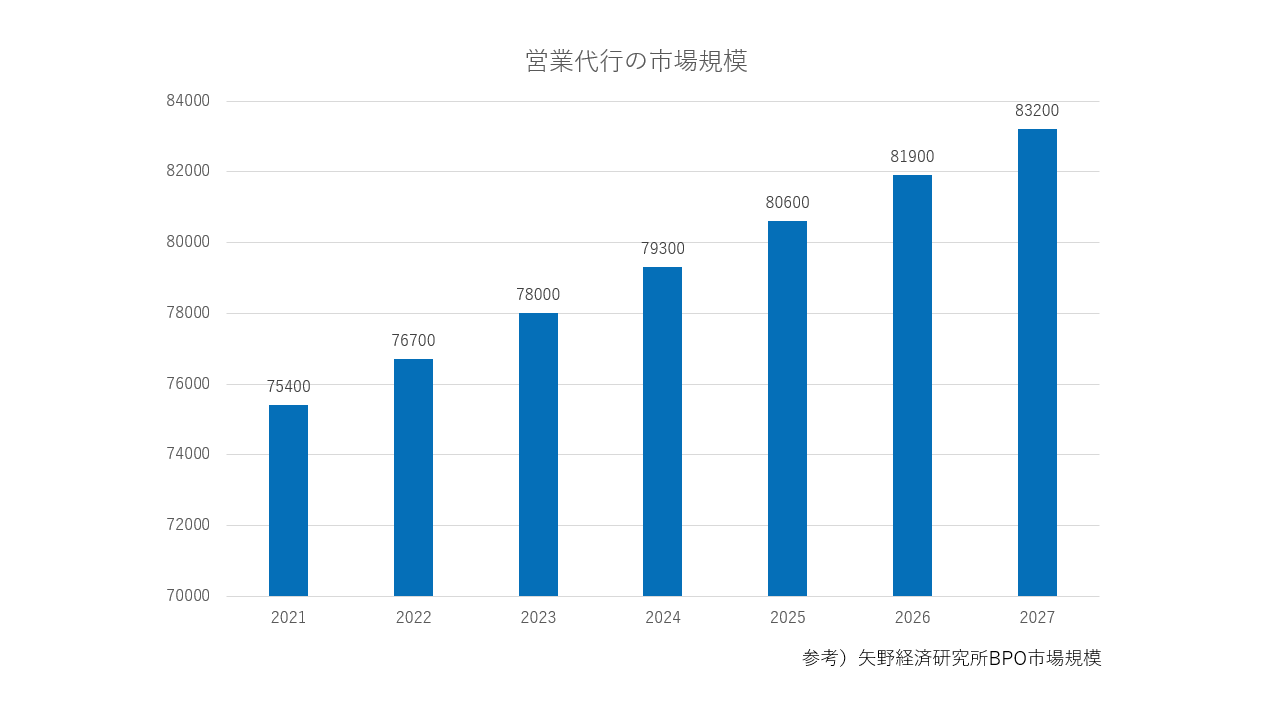
Among these, the BPO (Business Process Outsourcing) sector is seeing significant growth.
While sales outsourcing is often strongly associated with performance-based models focused solely on order volume, the reality is that by introducing external "mechanisms" that generate profit, organizations can expect long-term strengthening of their sales capabilities.
At the end of the lecture, Mr. Hashimoto cited a case study where Adecco improved sales performance using corporate data from uSonar's "LBC" database.
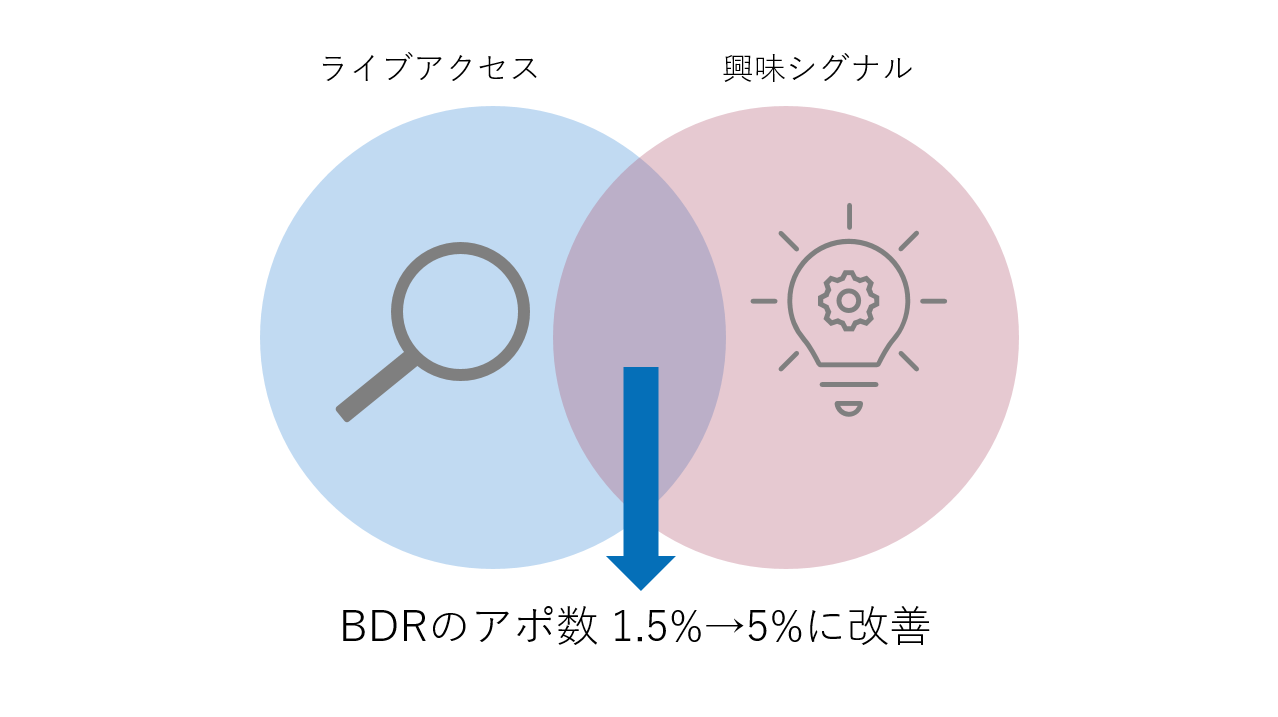
By combining Live Access and Interest Sign features within PLANSonar, the management strategy platform provided by uSonar, they have achieved success in new business development through inside sales.
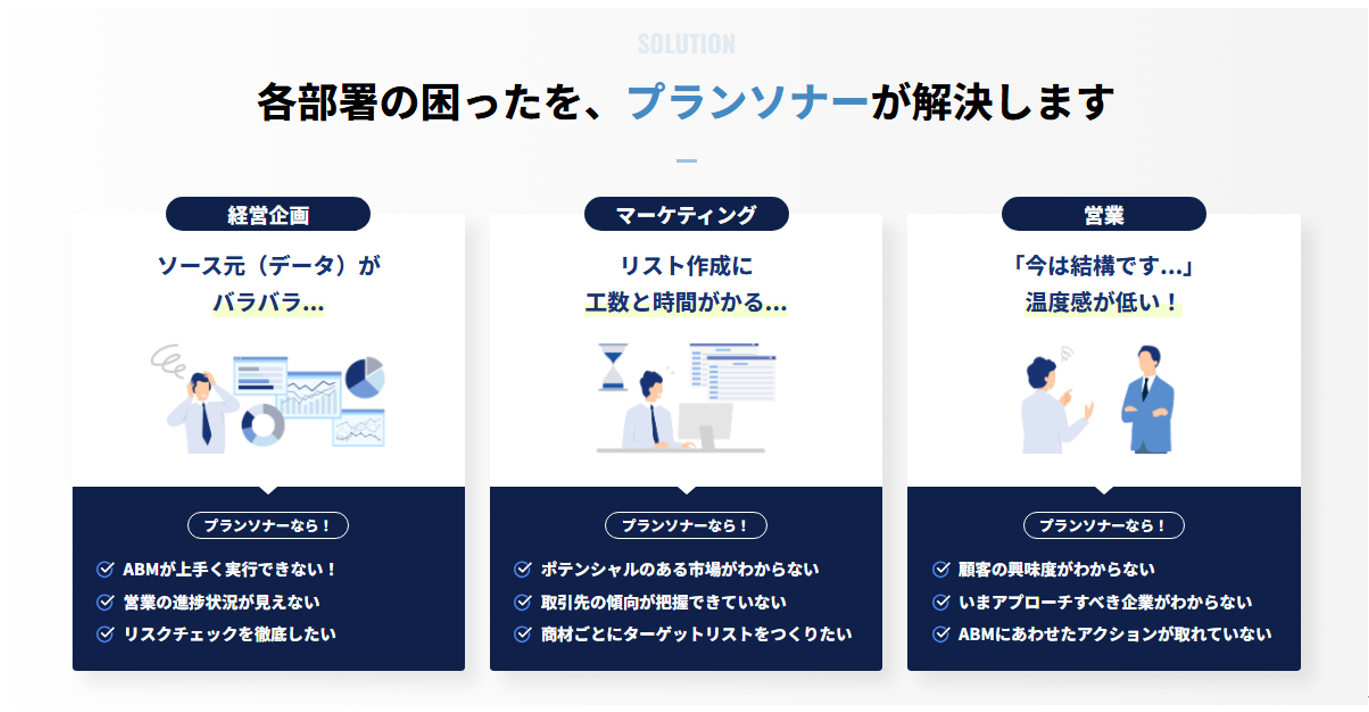
Live Access
Live Access is a feature that allows you to create a list of companies that have recently visited your corporate HP.
While access history, including data from Google Analytics, is generally individual-level data, this feature enables you to collect information on companies that are currently showing interest in your business.
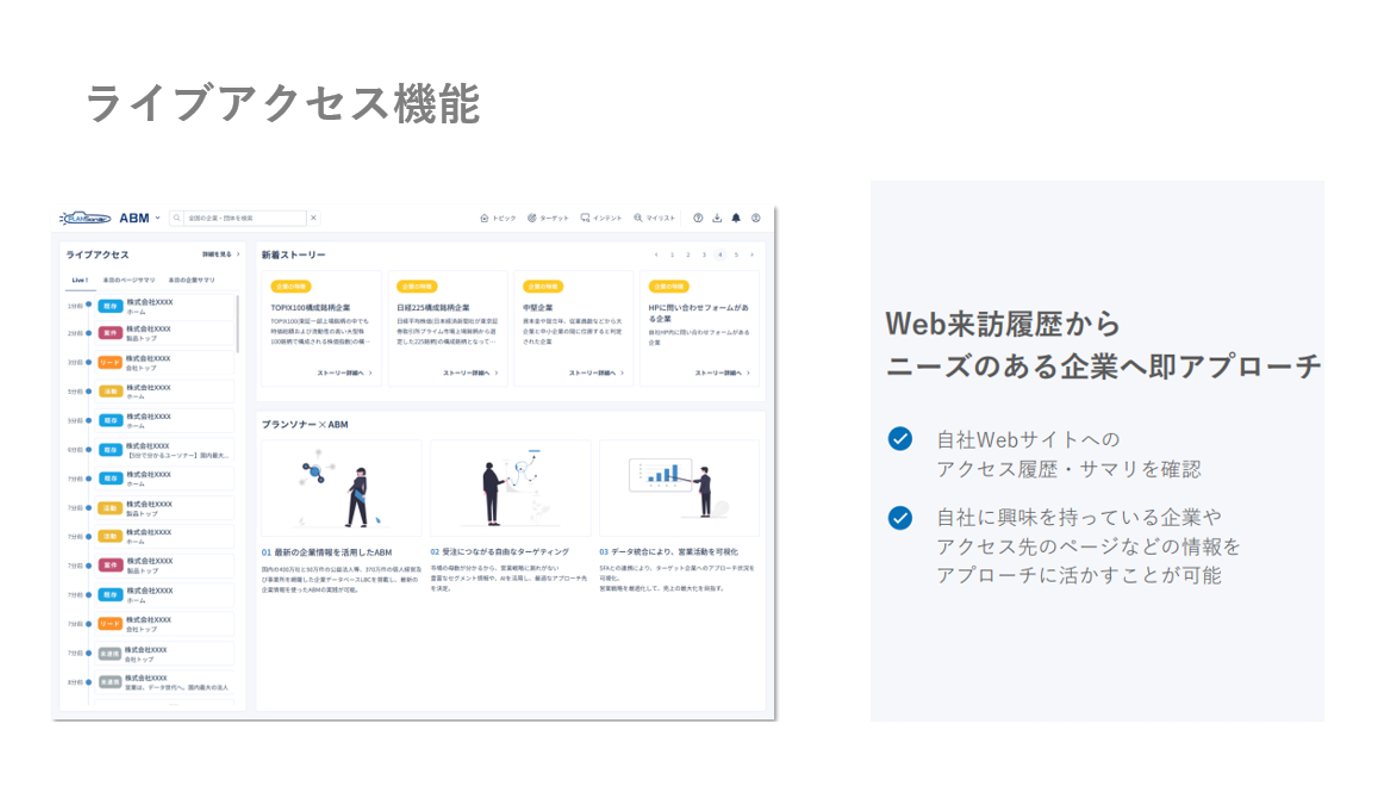
Interest Signals
Interest Signals is a feature that allows you to extract and list companies interested in specific keywords, such as "Sales DX" or "BPO".
This enables you to provide proposals that align with their specific needs.
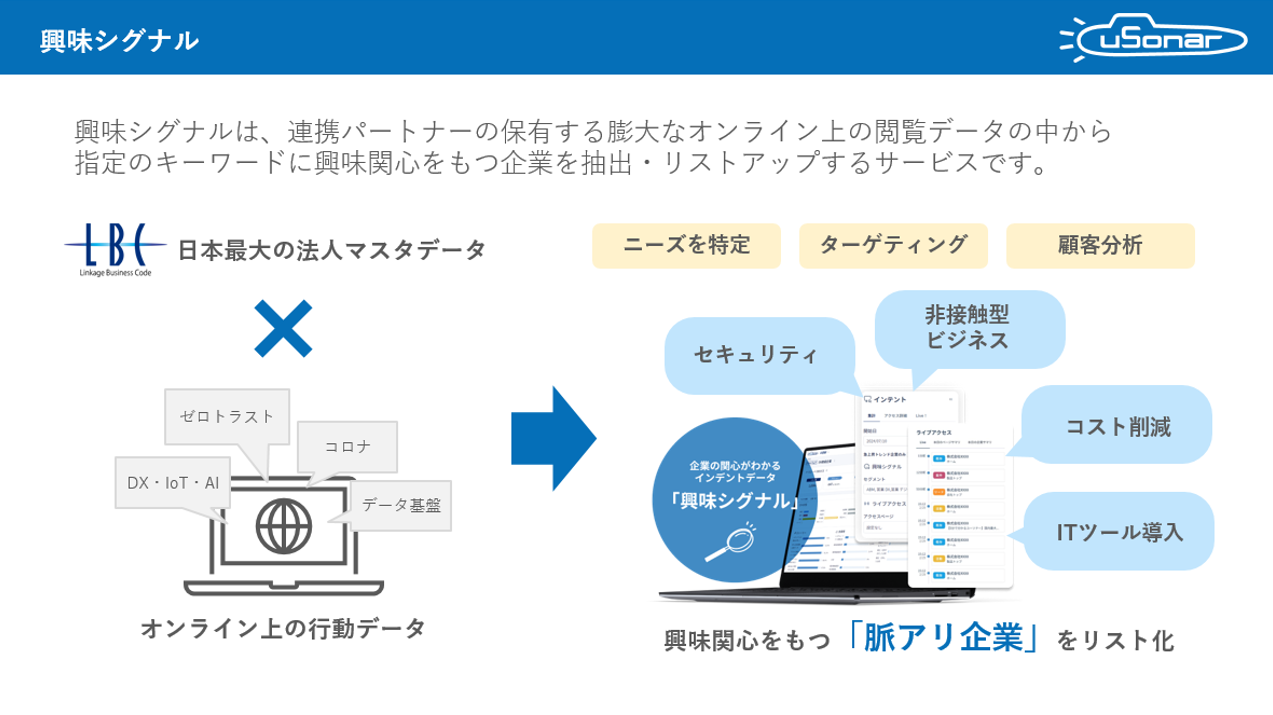
How to Identify High-Potential Companies
At uSonar, we refer to companies that are interested in purchasing our products as "High-Potential Companies."
In this seminar, we discuss how to identify such "High-Potential Companies."
By combining these two types of data, we leverage their respective strengths and compensate for their weaknesses to identify the optimal targets for your approach.
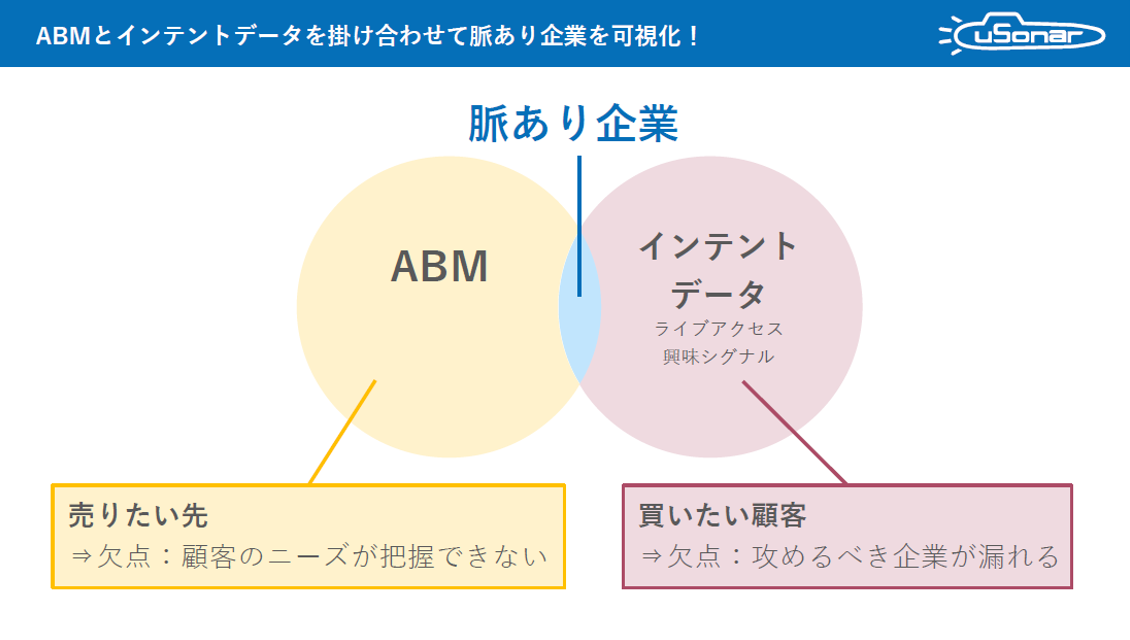
First, Hara explains what the terms ABM and Intent Data refer to.
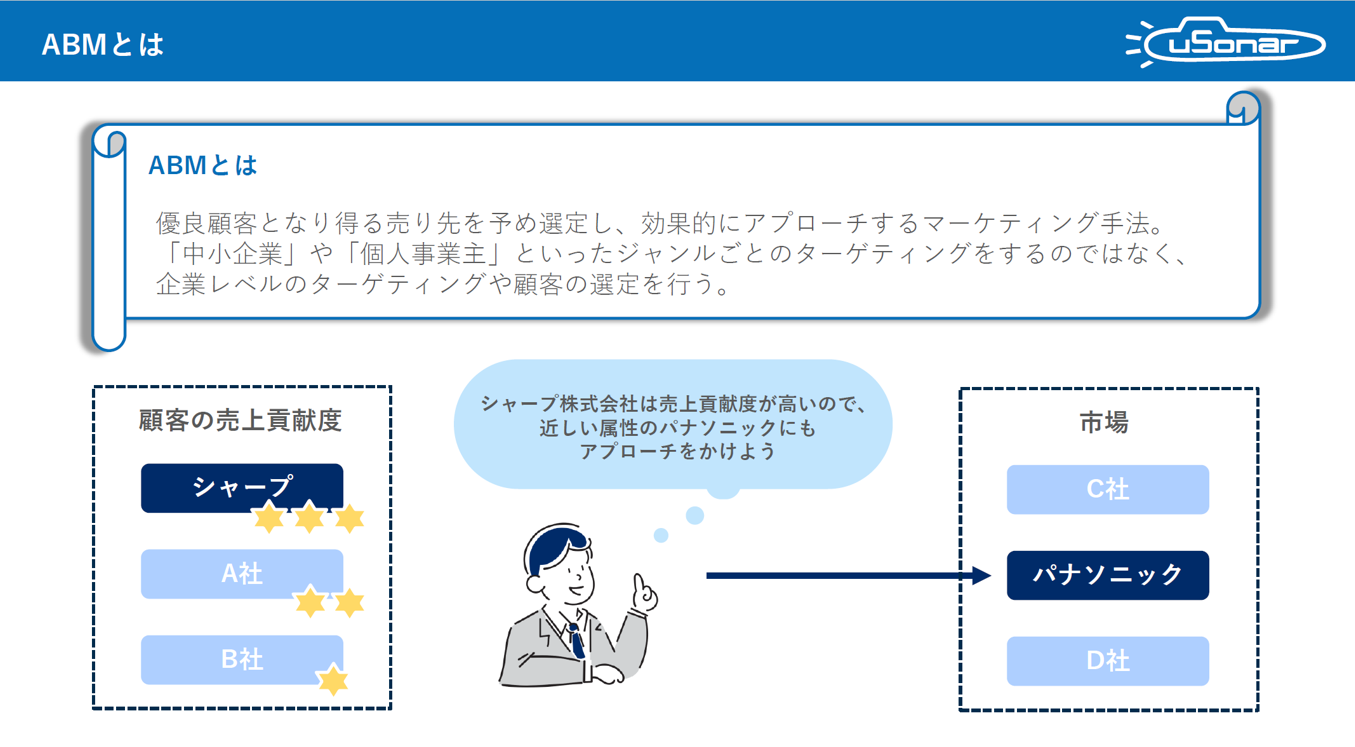
What Is ABM (Account Based Marketing)?
It is a marketing strategy that focuses on companies with attributes similar to existing high-value customers to approach them effectively and with high precision.
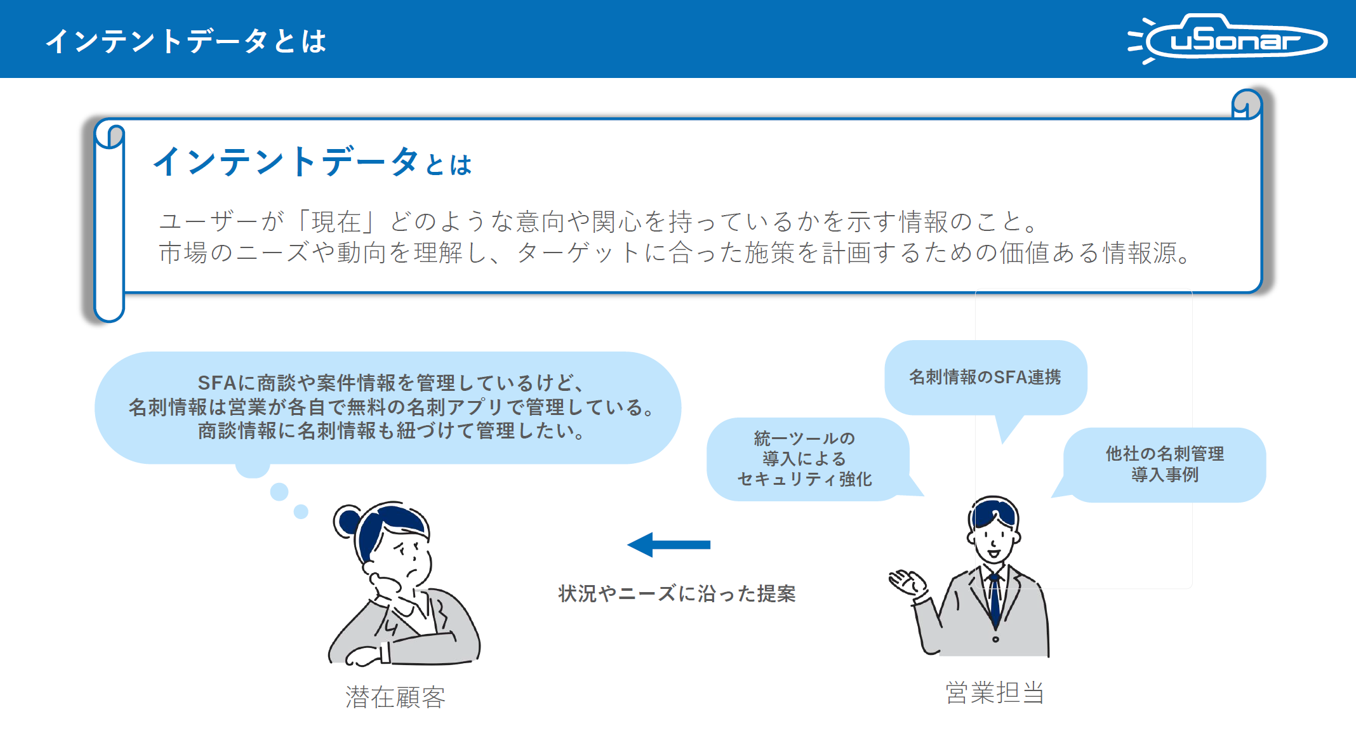
What Is Intent Data?
Intent Data refers to information that indicates what a user is currently interested in by tracking their online behavior.
It is useful for understanding a user's recent trends and needs.
Intent Data is categorized based on how it is acquired.
This includes 1st Party Data, which is collected directly through a company's own Website or tools, and 3rd Party Data, which is compiled from information across multiple websites and platforms to provide insights into corporate purchasing intent.
By utilizing both 1st Party Data and 3rd Party Data together, you can also catch up with potential customers who have not yet made an inquiry.
Steps for Utilizing Intent Data
How can the data mentioned so far actually be applied to sales activities?
Hara presented a five-stage process for sales activities utilizing ABM and Intent Data.
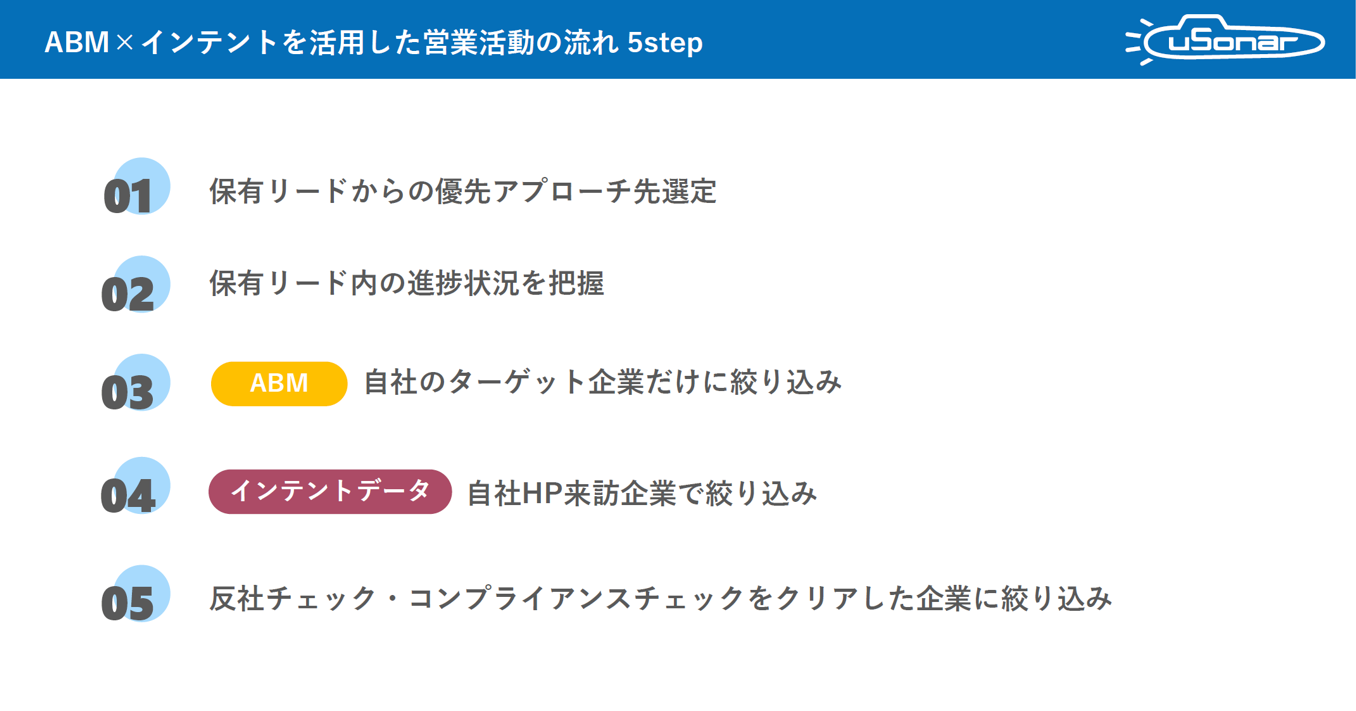
First, determine which leads to prioritize from your existing database, and assign them to the appropriate department based on their progress within the lead lifecycle.
For example, this means that existing customers are handled by CS, while others are managed by the new business sales team.
Subsequently, you can leverage specific data to narrow down your target companies formulated through ABM, or prioritize outreach to companies that have visited your HP using intent data.
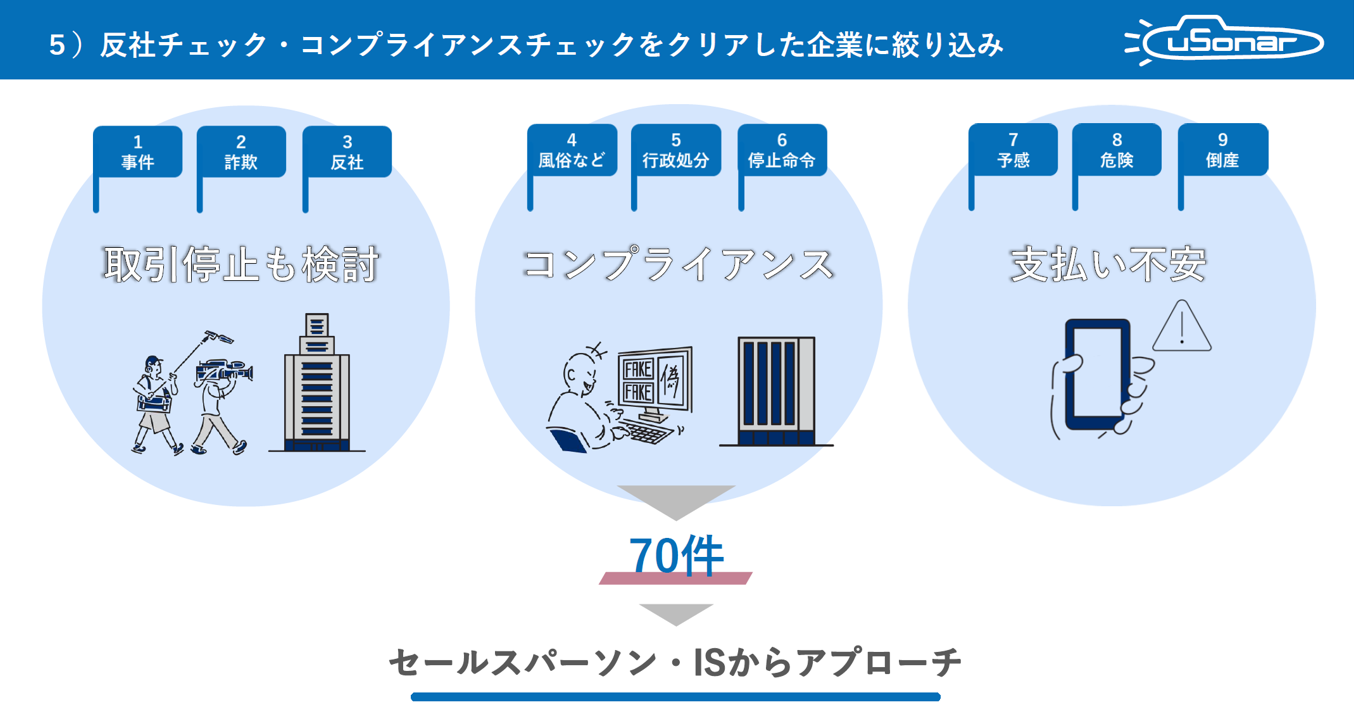
Furthermore, anti-social behavior screening is an indispensable perspective. Even if business negotiations have progressed to a certain extent, it is essential to prevent wasting resources by identifying connections to anti-social forces or a lack of payment capability in advance.
However, spending excessive man-hours on credit research for prospective leads is counterproductive.
With PLANSonar from uSonar Co., Ltd., you can easily obtain credit information on prospective companies.
Next, Mr. Hara explained how to utilize ABM and intent data within PLANSonar as previously introduced.
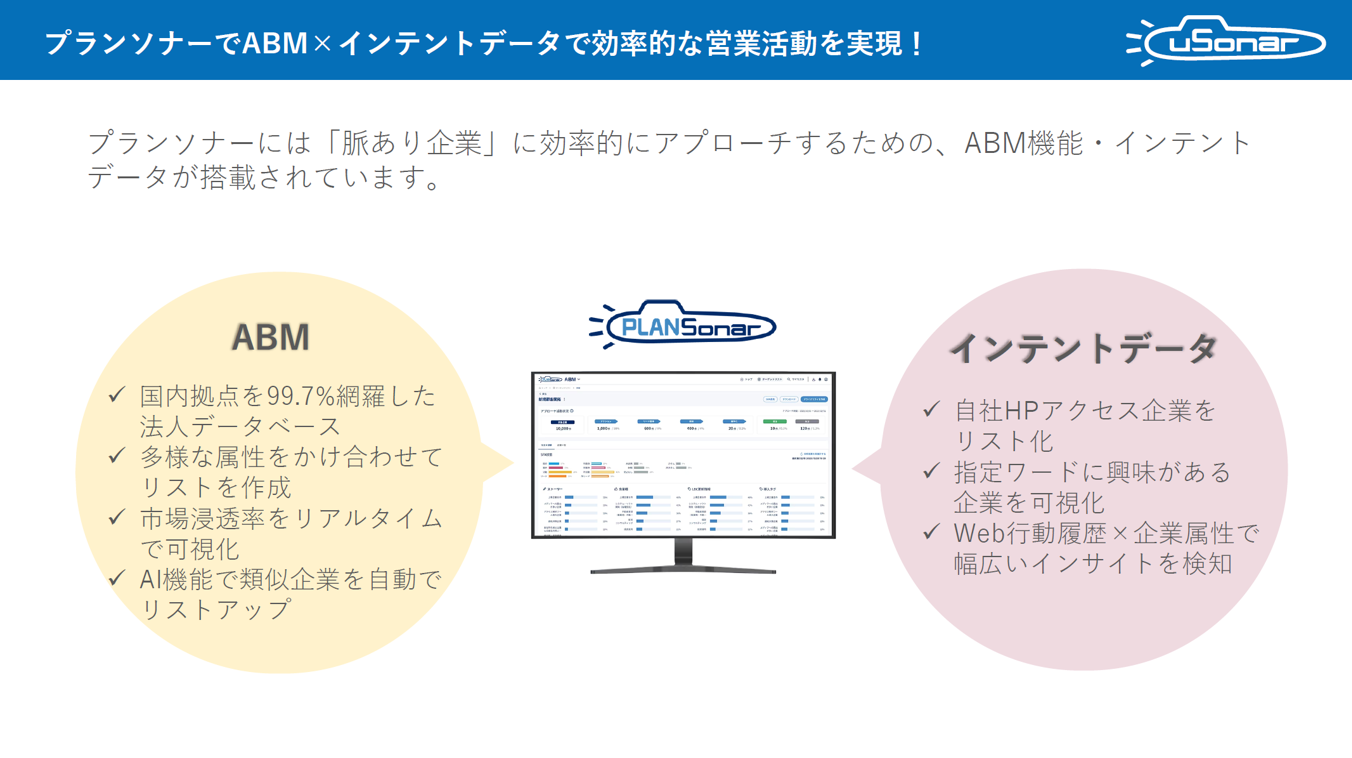
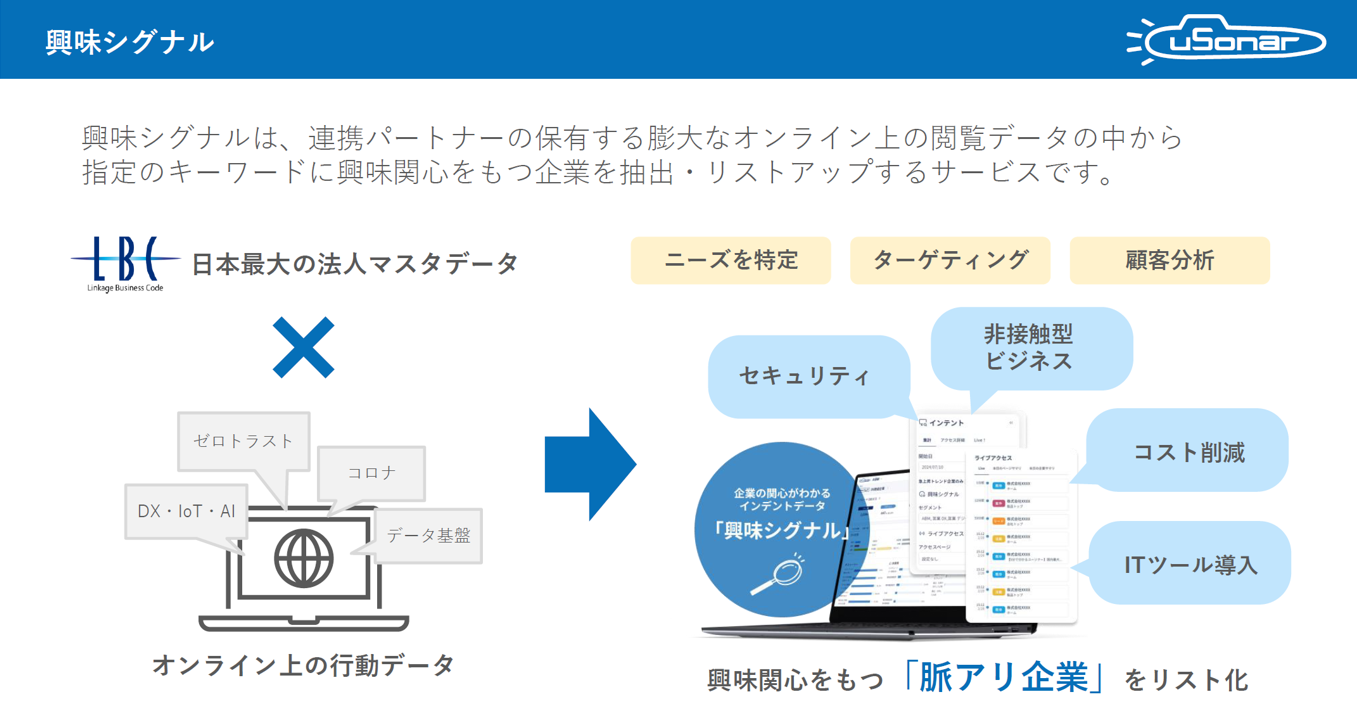
"Interest Signal" is a service that allows you to utilize intent data.
It can be used to create lists of companies that have an interest in specified keywords.
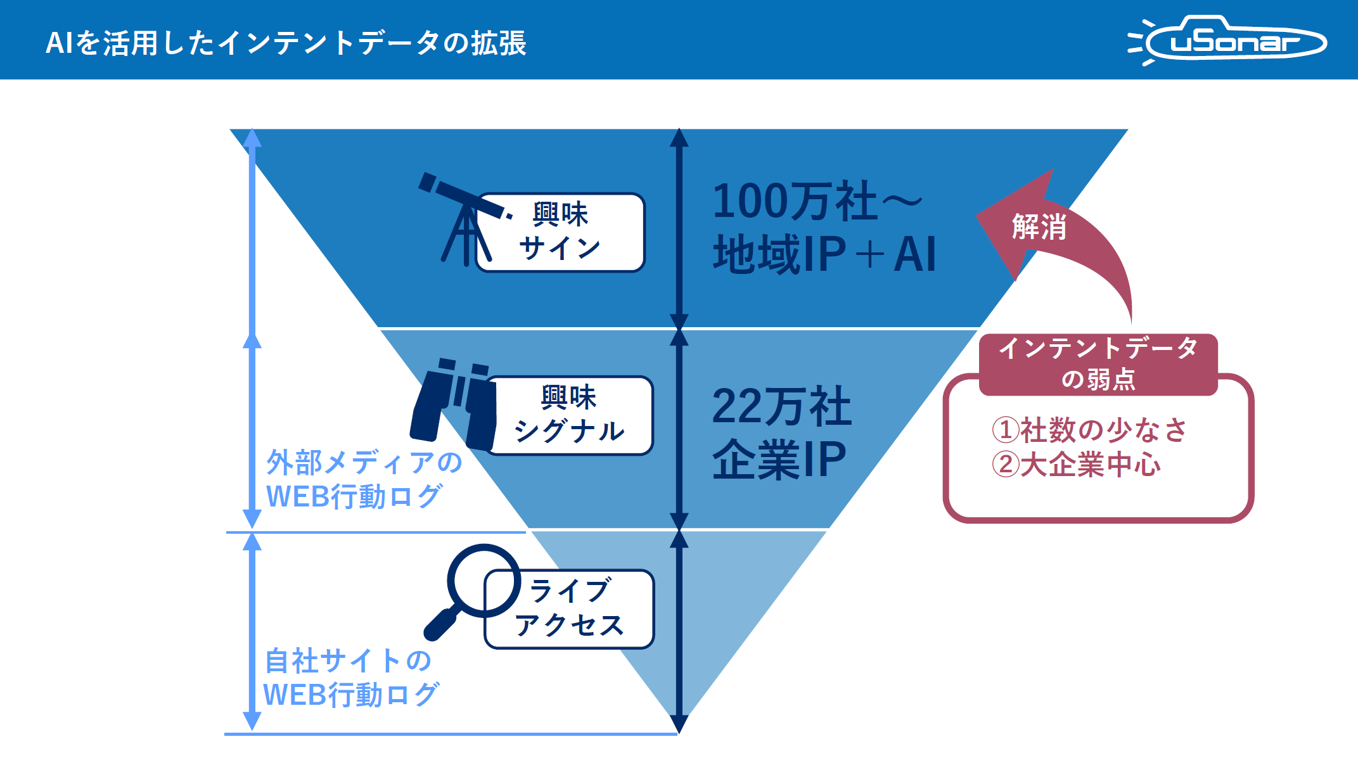
Interest Sign is a service that uses AI to estimate a company's identity based on region and similar attributes, even for companies where a fixed IP cannot be identified. The implementation of this service utilizes technology currently pending patent.
While data currently provided as intent data, including our Interest Signal, is suitable for identifying high-probability companies, it relies on fixed IP addresses to determine company identity, which limits the number of identifiable companies and tends to focus on large enterprises.
Interest Sign resolves this challenge.
Thank you for reading until the end!
In this article, we presented the content of the lecture "Targeting Only Companies Ready to Buy: Division-of-Labor Sales in the DX Era" by Mr. Hashimoto of Adecco Ltd. and Mr. Hara of uSonar Co., Ltd.
As Mr. Hashimoto mentioned in his lecture, in the context of new business development, uSonar's corporate database "LBC" and the tool "PLANSonar" serve as powerful assets.
When you hear "corporate data," you might think of company names, company size (number of employees or revenue), or industry, right?
In fact, we possess a wide variety of data, including "intent data" that visualizes information about companies that have visited your website and companies interested in specific keywords.
▶︎ Learn More About uSonar Services Here
▶︎ For Consultations and Inquiries, Click Here
About the Author
uSonar Editorial Department
MX Group, Editor-in-Chief
We are the uSonar Editorial Department.
We provide information on data utilization and digital technologies useful for rethinking future business operations, primarily for companies engaged in B2B business.
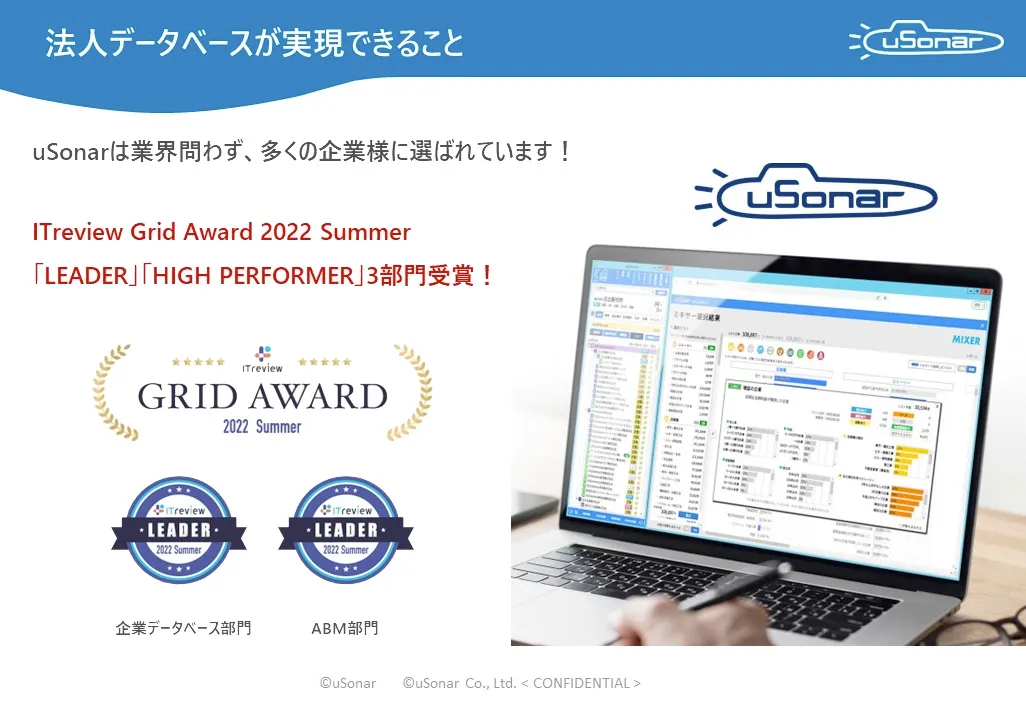
uSonar is utilized by various companies
across all industries and sectors.
ITreview Grid Award 2026 Summer
Leader in 6 Categories

With uSonar,
we can help solve your company's challenges!
Download Case Studies and Sample Reports
View All Materials